North Carolina CPA CPE Requirements for License Renewal: What You Need to Know
North Carolina CPAs renewing an active license must complete continuing professional education (CPE) or continuing education (CE) that meets the requirements of the North Carolina State Board of CPA Examiners (NCCPA). Continuing education is a required component of maintaining an active CPA license in North Carolina and is intended to ensure licensees remain current with professional standards, technical competence, and ethical responsibilities.
North Carolina’s CPE requirements are tied to an annual reporting period, with specific minimums and an ethics requirement that differ from many other states.
This page provides general educational information to help CPAs understand how North Carolina determines CPA CPE requirements for license renewal, including how self-study and audio-based education fit within the Board’s regulatory framework.
North Carolina CPA CPE Requirements at a Glance
All North Carolina CPAs renewing an active license must complete 40 hours of continuing professional education during each annual reporting period.
The chart below summarizes the core CPE requirements every North Carolina CPA should know:
License Expiration Date & CPE Reporting Period
North Carolina uses an annual CPE reporting period.
- The CPE reporting period runs from January 1 through December 31 of each calendar year
- All required CPE hours must be completed by December 31
- CPA licenses must be renewed annually through the North Carolina State Board of CPA Examiners
North Carolina CPA Continuing Education Requirements for License Renewal
To renew an active CPA license in North Carolina, the Board requires completion of the following during each annual reporting period:
- 40 total CPE hours
- 1 hour of ethics education
CPE hours completed in excess of these requirements may carry forward to a future reporting period.
Annual CPE Requirements
North Carolina requires CPAs to complete 40 CPE hours of each year. There is no multi-year averaging or rolling reporting period.
Licensees must complete the full annual requirement within each calendar year to remain compliant.
Subject-Matter CPE Requirements
North Carolina’s CPE framework focuses on ensuring professional competence and ethical practice.
The Board does not impose broad subject-matter minimums (such as accounting and auditing hour requirements) for all licensees. However, Certified Public Accountants are expected to complete educational activities that are relevant to their area of professional practice.
North Carolina CPA Ethics Requirement
North Carolina requires CPAs to complete 2 hours of ethics education each year.
Ethics courses typically address professional ethics, AICPA Code of Professional Conduct, ethical responsibilities, independence, and the application of ethical principles in public accountancy. The ethics requirement counts toward the total annual 40-hours of CPE.
Licensees are responsible for confirming that completed ethics courses meet Board requirements.
First Renewal / New Licensees
For newly licensed CPAs, CPE requirements depend on the timing of initial licensure within the calendar year.
In some cases, new licensees may be required to complete a prorated number of CPE hours for their first renewal. Because individual circumstances vary, new licensees should confirm their initial CPE obligations directly with the North Carolina State Board of CPA Examiners.
North Carolina CPA CPE Courses: What to Know
North Carolina permits continuing education to be completed in multiple formats, provided the education meets Board standards for content, participation, and documentation.
Self-Study Continuing Education
Many North Carolina CPAs complete qualifying CPE through self-study formats, including on-demand, nano learning, blended learning, and audio-based education.
Audio-Based Self-Study and LumiQ
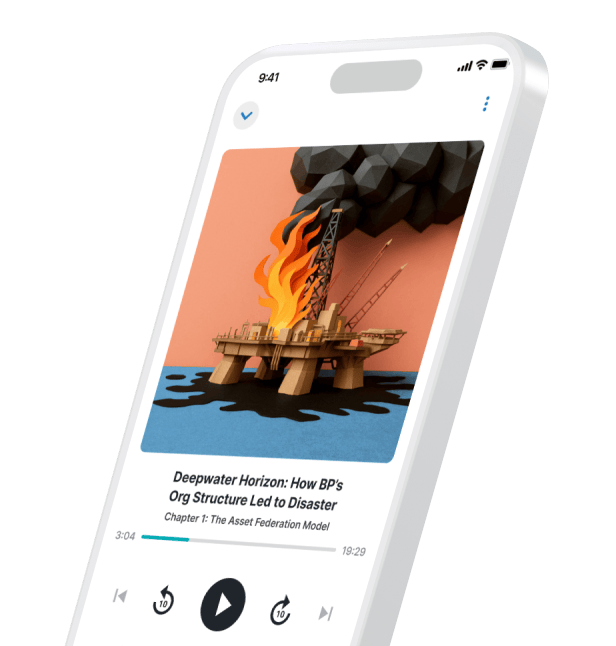
LumiQ provides CPE credits in an audio-based self-study continuing professional education format designed to support CPAs through accessible, on-demand learning.
While LumiQ is often described as a “CPE podcast,” its episodes are structured educational programs intended to fit within North Carolina’s self-study framework when offered through a qualifying provider.
LumiQ does not determine a licensee’s individual North Carolina CPA CPE requirements and does not provide legal, regulatory, or compliance advice. CPAs remain responsible for:
- Determining which CPE requirements apply to their license status and renewal cycle
- Confirming that completed courses qualify as acceptable CPE under North Carolina Board rules
- Ensuring that applicable ethics requirements are satisfied
- Maintaining required documentation in the event of a Board audit
CPE Providers and North Carolina CPA Compliance
North Carolina accepts CPE from providers that meet Board requirements, including:
- NASBA-approved providers
- Accredited colleges and universities
- Other providers whose courses meet North Carolina Board standards for subject matter and documentation
Licensees should verify provider eligibility before enrolling in courses.
License Renewal, Audits, and Enforcement
The North Carolina State Board of CPA Examiners is the sole authority on CPA license renewal and CPE compliance.
Licensees must retain documentation supporting completed CPE in case of audit. Failure to comply with CPE or renewal requirements may result in penalties, license delinquency, or disciplinary action.
LumiQ Inc. Sponsor ID Numbers: NASBA (146039), New York (002996), Texas (010643)
LumiQ’s subject matter classifications are made in accordance with NASBA’s Fields of Study that qualify for Continuing Professional Education.
Each State Board of Accountancy retains final authority on the acceptance of individual episodes, credit hours, and the classification of fields of study for CPE purposes.