Texas CPA CPE Requirements for License Renewal: What You Need to Know
Texas CPAs renewing an active license must complete continuing professional education (CPE) or continuing education (CE) that meets the requirements of the Texas State Board of Public Accountancy (TSBPA). Continuing education is a required component of maintaining an active CPA license in Texas and is designed to ensure licensees remain current with professional standards, technical competence, and ethical obligations.
Texas’s CPE requirements are structured around a rolling three-year reporting period, with specific subject-matter requirements and completion expectations that differ from many other states.
This page provides general educational information to help CPAs understand how Texas determines CPA CPE requirements for license renewal, including how self-study and audio-based education fit within the Board’s regulatory framework.
Texas CPA CPE Requirements at a Glance
All Texas CPAs renewing an active license must complete 120 hours of continuing professional education during each rolling three-year reporting period.
The chart below summarizes the core CPE requirements every Texas CPA should know:
License Expiration Date & CPE Reporting Period
Texas uses a rolling CPE reporting period tied to a licensee’s annual renewal date, rather than a fixed biennial cycle.
- CPE compliance is measured over the 36 months immediately preceding the license renewal date
- A minimum of 20 CPE hours must be completed during each 12-month period
- License renewal is completed annually through the TSBPA online system
Texas CPA Continuing Education Requirements for License Renewal
To renew an active CPA license in Texas, the Board requires completion of the following within the applicable rolling three-year period:
- 120 total CPE hours
- At least 20 CPE hours completed in each year
- 4 hours of Board-approved ethics education every two years
- No more than 50% of total CPE hours in non-technical subject matter
CPE hours completed outside the applicable rolling period may not be applied toward renewal requirements.
Annual Minimum CPE Requirements
Texas does impose an annual minimum CPE requirement.
Licensees must complete at least 20 CPE hours during each 12-month period. Completing excess CPE in one year does not eliminate the requirement to meet the annual minimum in subsequent years.
Subject-Matter CPE Requirements
Texas’s CPE framework distinguishes between technical and non-technical subject matter.
Technical vs. Non-Technical CPE
- Technical CPE includes accounting, auditing, taxation, advisory services, and other subjects directly related to the practice of public accountancy.
- Non-technical CPE includes areas such as communication skills, leadership, management, and behavioral ethics, provided the content is relevant to the licensee’s professional responsibilities.
Non-technical CPE is permitted but may not exceed 50% of the total 120-hour requirement within the rolling three-year period.
Texas CPA Ethics Requirement
Texas requires CPAs to complete 4 hours of ethics education every two years.
Ethics courses must be approved by the Texas State Board of Public Accountancy and are designed to address professional conduct, ethical responsibilities, and compliance with Board rules. Ethics courses approved solely by NASBA or another state do not satisfy Texas’s ethics requirement unless they are also approved by TSBPA.
The ethics requirement counts toward the overall CPE total.
First Renewal / New Licensees
For newly licensed CPAs, CPE requirements depend on the timing of licensure relative to the license renewal cycle.
In certain initial licensing periods, CPE requirements may be reduced or not required. Because individual circumstances vary, new licensees should confirm their initial CPE obligations directly with the Texas State Board of Public Accountancy.
Texas CPA CPE Courses: What to Know
Texas permits continuing education to be completed in multiple formats, provided the education meets Board standards for content, participation, and documentation.
Self-Study Continuing Education
Many Texas CPAs complete qualifying CPE through self-study formats, including on-demand and audio-based education.
Audio-Based Self-Study and LumiQ
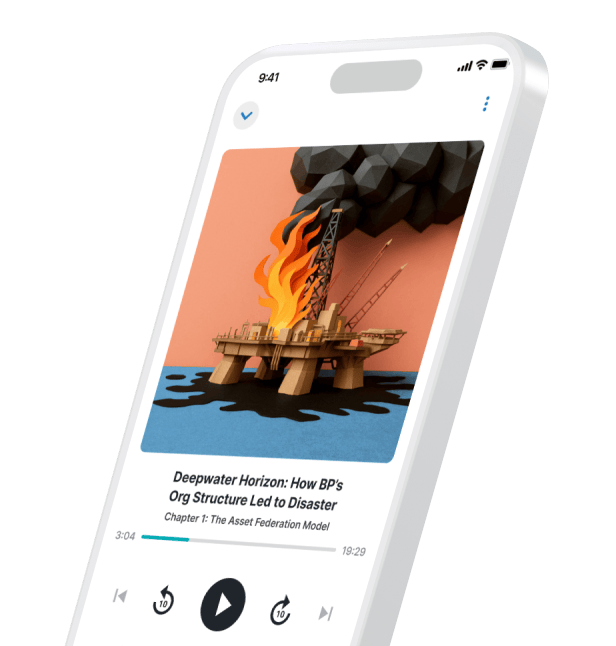
LumiQ provides CPE credits in an audio-based self-study continuing professional education format designed to support CPAs through accessible, on-demand learning.
While LumiQ is often described as a “CPE podcast,” its episodes are structured educational programs intended to qualify as formal self-study continuing education under Texas’s framework when offered through an approved provider.
LumiQ does not determine a licensee’s individual Texas CPA CPE requirements and does not provide legal, regulatory, or compliance advice. CPAs remain responsible for:
- Determining which CPE requirements apply to their license status and renewal cycle
- Confirming that completed courses qualify as acceptable CPE under Texas Board rules
- Ensuring that applicable ethics requirements are satisfied using Board-approved courses
- Maintaining required documentation in the event of a TSBPA audit
CPE Providers and Texas CPA Compliance
Texas requires CPE to be completed through providers approved by the Texas State Board of Public Accountancy, subject to Board rules.
Licensees should verify provider eligibility and course approval—particularly for ethics education—before enrolling in courses.
License Renewal, Audits, and Enforcement
Licensees must retain documentation supporting completed CPE in case of audit. Failure to comply with CPE or renewal requirements may result in penalties, license delinquency, or disciplinary action.
The Texas State Board of Public Accountancy is the sole authority on CPA license renewal and CPE compliance in Texas.
LumiQ Inc. Sponsor ID Numbers: NASBA (146039), New York (002996), Texas (010643)
LumiQ’s subject matter classifications are made in accordance with NASBA’s Fields of Study that qualify for Continuing Professional Education.
Each State Board of Accountancy retains final authority on the acceptance of individual episodes, credit hours, and the classification of fields of study for CPE purposes.