NJ CPE Requirements 2026
New Jersey CPAs renewing an active license must complete continuing professional education (CPE), also referred to as continuing education (CE), that meets the requirements of the New Jersey State Board of Accountancy (Division of Consumer Affairs). Continuing education is a required component of New Jersey CPA license renewal.
New Jersey uses a triennial (three-year) reporting cycle with annual minimum requirements and specific subject-matter mandates. This page provides general educational information to help CPAs understand how New Jersey determines CPA CPE requirements for license renewal, including ethics requirements, subject-area allocations, carryover rules, and acceptable formats.
New Jersey CPA CPE Requirements at a Glance
All New Jersey CPAs must complete CPE that meets the Board’s requirements as outlined below:
License Renewal Date & CPE Reporting Period
New Jersey CPA licenses renew on a triennial basis.
- CPE Reporting Period: January 1 – December 31 over a 3-year cycle
- Total Required: 120 hours completed within that reporting period
Licensees must certify completion of CPE during renewal and retain documentation in case of audit.
Total CPE Hours Required
New Jersey requires:
- 120 total CPE hours every 3 years
- At least 20 hours completed in each year of the cycle
The annual minimum prevents backloading all hours into the final year of the reporting period.
Technical Subject Requirement
Of the 120 total hours:
- At least 72 hours must be in technical subjects
Technical subjects generally include:
- Accounting
- Auditing
- Taxation
- Business law
- Finance
- Information technology (as it relates to accounting)
The remaining hours may be earned in non-technical or professional development subjects permitted by the Board.
Accounting & Auditing Requirement (If Performing Attest Services)
If a New Jersey CPA performs attest or compilation services, the Board requires:
- 24 hours in Accounting & Auditing subjects during the 3-year cycle
These hours count toward the 72-hour technical requirement.
If a licensee does not perform attest services, this requirement may not apply.
New Jersey Ethics Requirement
New Jersey requires:
- 4 hours in New Jersey law and ethics every 3 years
The ethics course must specifically address New Jersey statutes and regulations governing the practice of public accountancy.
Ethics hours count toward the total 120-hour requirement and toward the technical subject requirement.
Self-Study Limitation
New Jersey permits self-study CPE but limits the total amount that may be earned in that format.
- No more than 60 hours of self-study may be applied during a 3-year reporting period
The remaining hours must be completed through qualifying live, webinar, or interactive formats consistent with Board standards.
Carryover of Excess CPE Hours
New Jersey permits limited carryover of excess CPE hours.
- Up to 20 hours may be carried forward to the next triennial cycle
- Ethics hours may not be carried forward
- Carryover hours cannot be used to satisfy the annual minimum requirement
Carryover applies only to excess hours earned beyond the 120-hour requirement.
Reporting & Documentation
Licensees certify completion of CPE at renewal.
The New Jersey State Board of Accountancy may audit licensees for compliance. If selected, licensees must provide documentation that includes:
- Sponsor name
- Course title
- Field of study
- Date completed
- Number of CPE credits earned
Records should be retained in accordance with Board requirements in case of audit.
New Licensees
CPE requirements for newly licensed CPAs may be prorated depending on the date of initial licensure within the triennial cycle.
New licensees should review Board-issued instructions to determine specific first-cycle requirements.
Nonresident CPAs
Nonresident licensees may be considered compliant if they meet the CPE requirements of the state in which their principal place of business is located, provided those requirements are substantially equivalent.
Licensees should consult Board guidance regarding reciprocity and compliance determinations.
New Jersey CPA CPE Courses: What to Know
New Jersey permits continuing education completed through qualified providers that meet Board standards.
Licensees are responsible for:
- Ensuring courses meet subject-matter requirements
- Completing the required New Jersey law & ethics course
- Monitoring technical vs. non-technical allocations
- Maintaining documentation for audit purposes
Audio-Based Self-Study and LumiQ
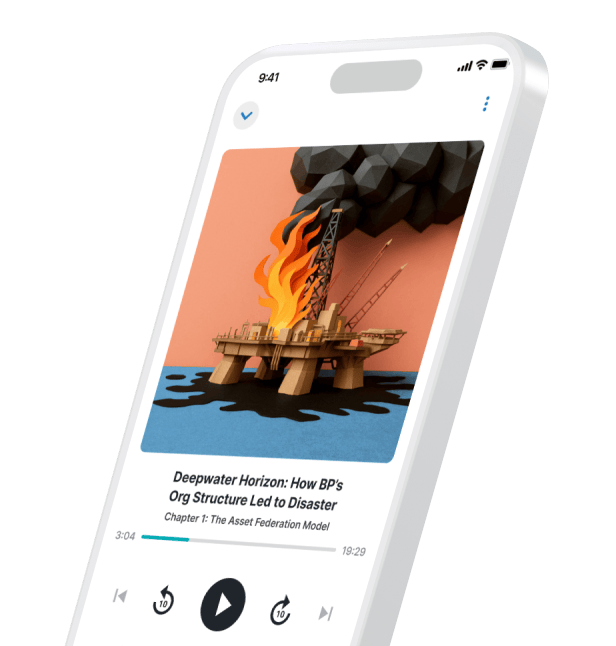
LumiQ provides CPE credits in an audio-based QAS Self-Study format designed to support CPAs through accessible, on-demand learning.
While often described as a “CPE podcast,” LumiQ episodes are structured educational programs intended to qualify within New Jersey’s self-study framework when completed and reported in accordance with Board requirements.
LumiQ does not determine a licensee’s individual CPA CPE requirements and does not provide regulatory or compliance advice. CPAs remain responsible for:
- Determining which requirements apply to their license
- Properly classifying completed CPE
- Maintaining documentation in case of audit
New Jersey State Board of Accountancy License Renewal
The New Jersey State Board of Accountancy is the sole authority on CPA license renewal and CPE compliance in the state. Renewal requires certification of completed CPE, and the Board retains final authority regarding acceptance of individual courses and compliance determinations.
Reviewed by Danielle Marion, Regulatory Compliance Manager at LumiQ. Danielle has more than 20 years of experience in regulatory compliance and professional education governance, including leadership roles at Deloitte LLP.
LumiQ Inc. Sponsor ID Numbers: NASBA (146039), New York (002996), Texas (010643)
LumiQ’s subject matter classifications are made in accordance with NASBA’s Fields of Study that qualify for Continuing Professional Education.
Each State Board of Accountancy retains final authority on the acceptance of individual episodes, credit hours, and the classification of fields of study for CPE purposes.