Beyond the ICAEW Ethics Module: Building a Fuller CPD Picture
ICAEW members must complete at least one hour of ethics-focused continuing professional development (CPD) in every CPD year. The ICAEW Ethics CPD Course is one way to meet that requirement, but it is not the only option.
Members may also use alternative ethics training where it meets specified learning outcomes aligned with the ICAEW Code of Ethics. The activity should be relevant to the member’s role, capable of being evidenced, and recorded as part of the member’s wider CPD plan.
The annual ethics requirement is only one part of ICAEW CPD. Completing one hour of ethics training does not replace the need to identify the correct CPD category, complete the required total and verifiable hours, reflect on development needs, and retain supporting evidence. See our guide ICAEW CPD Requirements: What You Need to Know, which serves as your guide to CPD, for a deeper look.
This page provides general educational information and a CPD resource showcase regarding ICAEW ethics CPD requirements, the ICAEW Ethics CPD Course, alternative ethics training, verifiability, evidence, and how ethics can form part of a broader professional development plan.
Important: This content is for general educational purposes only. It does not constitute legal, regulatory, or individualised compliance advice and does not replace official guidance issued by ICAEW. Members remain responsible for determining whether a particular activity meets their individual CPD obligations.
ICAEW Ethics CPD Requirements at a Glance
Every in-scope member, including ICAEW Chartered Accountants, must address ethics each year, regardless of role, industry, seniority, or CPD category.
[[CTA1]]
What Does the ICAEW Annual Ethics Requirement Require?
Regulation 8(c) requires in-scope members and relevant persons to complete at least one hour of ethics training during each CPD year.
The requirement may be met by:
- completing ICAEW’s Ethics CPD Course
- completing alternative ethics training that satisfies specified learning outcomes aligned with the ICAEW Code of Ethics
The CPD year runs from 1 November to 31 October, so the ethics requirement must be considered within that annual period.
Ethics training should be treated as part of the member’s wider development plan. It can contribute to the member’s total and verifiable CPD hours when the activity is relevant and adequately evidenced.
Is the ICAEW Ethics CPD Course Mandatory?
No. ICAEW’s own Ethics CPD Course is not the only route.
ICAEW member firms and individuals may use equivalent ethics training from an employer or external provider, provided the training meets the relevant learning outcomes aligned with the ICAEW Code of Ethics. ICAEW advises firms using non-ICAEW training to check that it is equivalent to the learning outcomes of ICAEW’s course.
This gives members flexibility, but it also places responsibility on the member or firm to assess the content rather than assuming that any course labelled “ethics” will satisfy the requirement.
What Does the ICAEW Ethics CPD Course Cover?
ICAEW’s Ethics CPD Course is designed to help members apply the Code of Ethics to practical situations. It is updated regularly and includes multiple learning modules rather than a single one-hour presentation.
Current areas covered by the course include:
- fundamental principles in the ICAEW Code of Ethics
- practising professionalism
- ethical decision-making
- resolving ethical problems
- combatting economic crime
- audit independence
- professional conduct in relation to tax
- building an ethical culture
- ethical issues arising from artificial intelligence
- practical ethics case studies
- annual developments in ethics
The course therefore offers more learning than the minimum annual ethics hour. Members can choose the modules most relevant to their role and development needs.
What Alternative Ethics Training May Count?
Alternative training should do more than provide a general discussion of workplace values or professional and personal conduct; it should address a specific ethical standard. It should support the application of ethical principles relevant to professional accountants and align with the ICAEW Code of Ethics.
Depending on the member’s role, relevant ethics learning may include:
- fundamental principles and conceptual framework
- integrity, objectivity, and professional competence
- confidentiality and professional behaviour
- conflicts of interest
- ethical decision-making
- professional scepticism
- auditor independence
- tax ethics and Professional Conduct in Relation to Tax
- economic crime and anti-money laundering
- whistleblowing and speaking up
- non-compliance with laws and regulations (NOCLAR)
- ethical culture and governance
- responsible use of artificial intelligence
- ethical challenges in leadership and management
- public-interest responsibilities
The course should have clear learning outcomes and should help the member remain current and competent in their professional role.
Ethics CPD Should Be Relevant to Your Role
The same ethics activity will not necessarily be equally relevant to every ICAEW member.
For example:
- an audit professional may need learning on independence, professional scepticism, and intimidation threats
- a tax professional may need learning on the ICAEW Code of Ethics and Professional Conduct in Relation to Tax
- a finance leader may need learning on ethical culture, reporting integrity, governance, and pressure from senior stakeholders
- an insolvency or restructuring professional may need learning about conflicts, objectivity, and specialist professional obligations
- a technology or transformation leader may need learning about AI ethics, data use, accountability, and professional judgement
ICAEW’s CPD framework expects members to connect learning to identified development needs. Ethics CPD should therefore be selected because it is meaningful to the member’s work, not simply because it carries an ethics label.
When Is Ethics Training Verifiable CPD?
For an ethics activity to count as verifiable CPD, the evidence must be objective, corroborated by an independent source, and retained with the member’s CPD record.
Suitable evidence may include:
- a completion certificate
- an assessment result
- registration and attendance confirmation
- an employer learning record
- an email from the training provider
- a documented programme or course agenda
- another record showing participation and completion
The member should also record:
- the date of the activity
- the time spent
- the provider
- the subjects covered
- why the activity was relevant
- what was learned
- how the learning affected or may affect their work
ICAEW’s own course certificates transfer automatically into ICAEW’s digital CPD record, which serves as your primary online CPD record to addCPD activities seamlessly. Third-party activities generally need to be recorded and evidenced by the member.
How the Ethics Hour Fits Into the Wider CPD Requirement
Completing the annual ethics hour does not complete the member’s wider CPD obligation.
Members must still:
- identify the correct CPD category
- complete the minimum total hours for that category
- complete the required verifiable hours
- reflect on technical and professional development needs
- record relevant learning activities
- retain evidence for at least three years
- provide records if selected for monitoring
For example, a member working outside practice in Category 3 needs at least 20 hours, including 5 verifiable hours. The annual ethics activity may contribute toward those totals, but the remaining requirement must still be met through other relevant learning.
For a full explanation of the categories and wider annual obligations, see our ICAEW CPD Requirements guide.
Building a Fuller Ethics CPD Plan
One hour is the minimum. It may not be enough to address every ethics-related risk attached to a member’s role.
A fuller ethics CPD plan can combine:
- annual Code of Ethics updates
- role-specific ethics training
- practical case studies
- specialist regulatory developments
- discussions of emerging ethical risks
- reflection on ethical issues encountered during the year
- learning related to professional scepticism and judgement
- training on culture, governance, and leadership
A member working in several high-risk areas may reasonably need more than one hour to remain competent. ICAEW’s framework requires members to reflect on their actual development needs, even where the prescribed minimum has already been met.
Ethics and professional scepticism, and Decision-Making
Ethics CPD is most useful when it helps members apply principles to difficult decisions.
A practical ethics learning activity should help a member:
- identify threats to the fundamental principles
- recognise bias and pressure
- consider the public interest
- evaluate possible safeguards
- know when to seek advice
- document professional judgement
- respond appropriately when concerns remain unresolved
ICAEW’s own course combines Code-based learning with decision-making frameworks, specialist scenarios, and case studies because ethical competence requires application, not simply awareness.
Audio-Based Ethics Learning and LumiQ
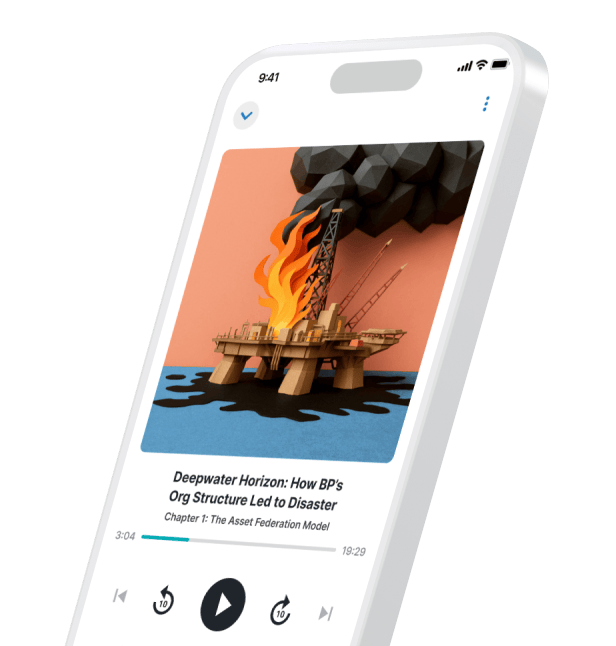
LumiQ provides structured, expert-led audio learning that explores ethics through practical conversations, case studies, professional dilemmas, and real-world decision-making.
A LumiQ ethics activity may fit within ICAEW’s annual ethics requirement where:
- the content is relevant to the member’s role
- the learning outcomes align with the ICAEW Code of Ethics
- the activity provides meaningful ethics-focused development
- completion can be evidenced
- the member records why the learning was selected and what was learned
LumiQ provides structured programmes, assessments, completion records, and certificates that can support verifiability.
Not every course discussing leadership, fraud, governance, or professional conduct will automatically satisfy the annual ethics requirement. Members should consider the primary learning objectives and determine whether the activity genuinely provides ethics training aligned with ICAEW’s expectations.
Members remain responsible for deciding how an activity fits their CPD category and annual obligations. ICAEW remains the final authority on compliance.
How to Record Ethics CPD
Your ethics CPD record should capture:
- the course or activity title
- the provider
- the date completed
- the time spent
- the ethics learning outcomes
- why the activity was relevant to your role
- what you learned
- supporting evidence
- how the learning may affect your work
Evidence supporting verifiable CPD must be retained for at least three years from the end of the applicable CPD year.
What Happens if Ethics CPD Is Missing?
Failing to complete the annual ethics requirement leaves a member in breach of the ICAEW CPD Regulations.
If the issue is identified during QAD monitoring by the Quality Assurance Department, the member may be required to remedy the failure in the current CPD year in addition to completing that year’s normal requirements. The member may also need to inform their firm or employer.
Failure to respond to QAD, complete agreed remediation, or correct repeated non-compliance can lead to referral for further regulatory or disciplinary action.
Firm Responsibilities for Ethics CPD
ICAEW member firms and other firms covered by Regulation 18 must ensure that their members and relevant persons meet the applicable minimum relevant and verifiable CPD requirements. That includes monitoring completion of the annual ethics requirement, maintaining appropriate records, and making those records available to QAD when requested.
A practical firm approach should:
- identify which employees are subject to the regulations
- confirm each person’s category
- select an ICAEW or equivalent ethics programme
- document why any third-party programme meets the learning outcomes
- track completion
- retain suitable evidence
- follow up on missing or incomplete training
Frequently Asked Questions About ICAEW Ethics CPD and CPD FAQs
How much ethics CPD does ICAEW require?
ICAEW requires at least one hour of ethics training in every CPD year.
What is the ICAEW CPD year?
The CPD year runs from 1 November to 31 October.
Is the ICAEW Ethics CPD Course mandatory?
No. Members can use alternative ethics training that meets specified learning outcomes aligned with the ICAEW Code of Ethics.
Can a third-party ethics course satisfy the requirement?
Yes, where it is equivalent to the relevant ICAEW learning outcomes and aligned with the ICAEW Code of Ethics.
Does the ethics hour need to be verifiable?
ICAEW treats the annual ethics requirement as verifiable ethics CPD. Members should retain objective, corroborated evidence of completion.
Does the ethics hour count toward my category total?
A relevant and evidenced ethics activity can contribute to your total and verifiable hours. You must still complete the remaining hours required for your category.
Can podcasts count as ICAEW ethics CPD?
They can where the podcast provides structured ethics-focused learning, aligns with the ICAEW Code of Ethics, is relevant to the member’s role, and can be appropriately evidenced.
Can I complete more than one hour of ethics CPD?
Yes. One hour is the annual minimum. Members may complete additional ethics learning where it is relevant to their development needs.
How long must ethics CPD evidence be retained?
Evidence must be retained for at least three years from the end of the applicable CPD year.
What happens if I miss the ethics requirement?
You may be required to remedy the shortfall in addition to meeting the current year’s requirements. Repeated or unresolved non-compliance can lead to further regulatory action.
ICAEW Ethics CPD Compliance
ICAEW is the final authority on ICAEW ethics CPD compliance, often providing further clarity through its Technical Advisory Services. Members should rely on the ICAEW CPD Regulations 2023, the ICAEW Code of Ethics, ICAEW’s Ethics CPD Course guidance, and current CPD monitoring guidance when deciding how to meet the requirement.
Sources
Primary sources used for this page include:
- ICAEW Continuing Professional Development Regulations 2023
- ICAEW Ethics CPD Course
- ICAEW Code of Ethics
- ICAEW What Counts as CPD and What Is Verifiable?
- ICAEW Recording CPD
- ICAEW Firms’ Guide to CPD
- ICAEW Ethics CPD: Are You on Track?
Reviewed by Danielle Marion, Regulatory Compliance Manager at LumiQ. Danielle has more than 20 years of experience in regulatory compliance and professional education governance, including leadership roles at Deloitte LLP.