Utah CPA CPE Requirements
Utah CPAs must complete 80 hours of continuing professional education during each 2-year renewal period. Within that total, Utah requires 4 hours of ethics, including 1 hour that covers the Utah CPA Licensing Act and CPA Licensing Act Rule. Utah’s CPE reporting period runs from January 1 through December 31 of even-numbered renewal years, and licenses renew on December 31 of even-numbered years.
This page provides general educational information to help certified public accountants understand how Utah determines CPA CPE requirements for license renewal, including biennial reporting periods, ethics requirements, carryforward rules, self-study treatment, nonresident treatment, and reporting expectations.
Utah CPA CPE Requirements at a Glance
License Renewal Date and CPE Reporting Period
Utah CPA licenses renew on December 31 of even-numbered years. The CPE reporting period runs from January 1 through December 31 biennially, ending on even-numbered years. Utah’s CPA CPE FAQ also states that the 2-year renewal period runs from January 1 of each odd year through December 31 of each even year, with hours recorded and renewal completed by the expiration date.
Utah CPA Continuing Education Requirements for License Renewal
Utah requires 80 hours of CPE during each 2-year renewal cycle. The requirement is straightforward compared with some other states because Utah does not impose additional technical-hour minimums or broader subject-matter quotas beyond ethics.
Total CPE Hours Required
Utah requires 80 hours of continuing professional education in each 2-year reporting period. Utah’s CPA CPE FAQ specifically confirms that licensees must have 80 hours in every renewal cycle.
Ethics Requirement
Utah requires 4 hours of ethics during each renewal cycle. One of those hours must cover the Utah CPA Licensing Act and CPA Licensing Act Rule. The remaining 3 hours must cover at least one of the following: the AICPA Professional Code of Conduct, case-based instruction focused on real-life situational learning, ethical dilemmas faced by accounting professionals, or business ethics.
Subject-Matter Allocation
Utah does not impose any other subject-matter requirement beyond the ethics requirement. NASBA’s Utah summary lists “None” under other subject area requirements.
Credit Calculation
Utah provides detailed rules for calculating credit. Instructors, discussion leaders, or speakers who present a learning activity for the first time may receive credit for actual preparation time up to two times the number of credits participants receive, in addition to presentation time. Published-materials credit is determined by the Board and may only be claimed after publication. Utah also recognizes academic credit conversion at 15 CPE hours per semester hour and 10 CPE hours per quarter hour.
Carryforward
Utah allows a maximum of 40 hours to carry forward into the next reporting period. Utah’s CPA CPE FAQ also notes a one-time allowance that applied only during the 2023 to 2024 renewal period because of issues with the previous tracking system, but that temporary accommodation should not be treated as the ongoing rule. The standard carryforward rule shown in NASBA’s summary is 40 hours.
Reporting and Documentation
Utah now uses NASBA’s CPE Audit Service to track and report compliance with CPE requirements. The FAQ explains that the record-keeping system is operated through CPE Audit Service and that licensees should have their hours recorded and their licenses renewed by the expiration date. Utah also notes that DOPL and the Utah State Board of Accountancy continue to perform audits.
Nonresident CPAs
Utah grants CPE reciprocity to a nonresident licensee seeking renewal if the licensee has fulfilled the continuing education requirements for the most recently completed reporting period in the state where the licensee’s office is located. If that principal-place-of-business state has no CPE requirement, the nonresident licensee must comply with Utah’s CPE requirements. Utah also requires nonresident licensees to fulfill the Utah ethics requirement, including a Board-approved review of Utah laws and regulations.
Utah CPA CPE Courses: What to Know
Utah course planning is relatively straightforward. Licensees need to complete 80 hours every 2 years, include the required 4 ethics hours, and make sure any carryforward, self-study, or nonresident treatment is handled correctly. Because Utah does not list broader subject-area minimums or credit limitations, the main planning priorities are ethics, timing, and proper reporting.
Self-Study and Accepted Formats
Utah accepts a range of CPE formats, including group live, group internet-based, blended learning, interactive or QAS self-study, nano learning, and other recognized learning formats. NASBA’s Utah summary also explains how partial credit is calculated across these delivery methods, including 0.2 or 0.5 increments for many formats after the initial threshold is met.
Audio-Based Self-Study and LumiQ
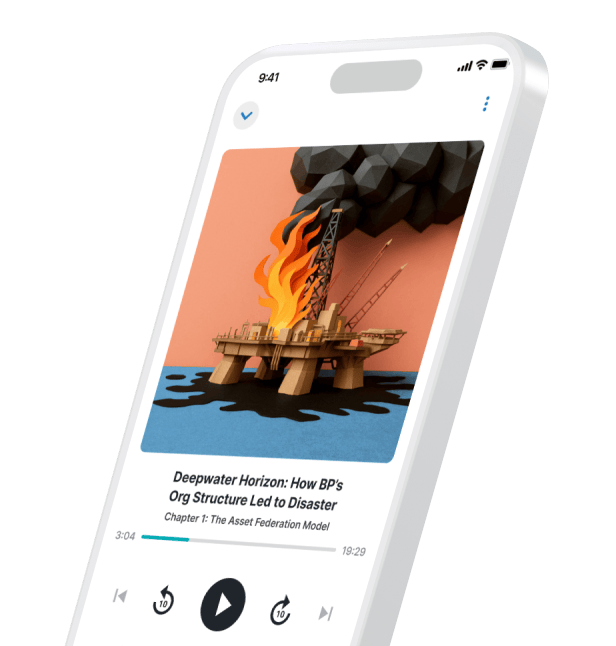
LumiQ provides CPE credits in an audio-based self-study format designed to support Utah CPAs through accessible, on-demand learning. Utah accepts self-study formats, but licensees remain responsible for making sure any course they complete fits Utah’s biennial total, ethics requirements, and reporting rules. Nonresident CPAs should also remember that Utah’s ethics requirement still applies even when reciprocity applies to other hours.
CPAs remain responsible for completing 80 hours during each 2-year reporting period, completing 4 ethics hours including 1 hour on Utah laws and rules, reporting hours through Utah’s approved system, and staying within Utah’s carryforward rule where applicable. LumiQ does not determine a licensee’s individual Utah CPA license renewal obligations and does not provide legal, regulatory, or individualized compliance advice.
Utah CPA License Renewal
The Utah Division of Professional Licensing and the Utah Board of Accountancy are the final authorities on Utah CPA license renewal and continuing education compliance. Licensees should treat Utah statutes, administrative rules, renewal materials, and Board guidance as controlling.
Reviewed by Danielle Marion, Regulatory Compliance Manager at LumiQ. Danielle has more than 20 years of experience in regulatory compliance and professional education governance, including leadership roles at Deloitte LLP.
LumiQ Inc. Sponsor ID Numbers: NASBA (146039), New York (002996), Texas (010643)
LumiQ’s subject matter classifications are made in accordance with NASBA’s Fields of Study that qualify for Continuing Professional Education.
Each State Board of Accountancy retains final authority on the acceptance of individual episodes, credit hours, and the classification of fields of study for CPE purposes.