CPA CPE Requirements by State: What CPAs Need to Know
CPA CPE requirements vary by state, which means the number of hours you need, whether ethics is required, whether self-study counts, how often you renew, and what records you need to keep can all depend on where you hold your license. This page is designed to help licensed CPAs quickly understand how CPA continuing professional education requirements work and find the right state-specific guide for their renewal needs.
This page provides general educational information about CPA CPE requirements for license renewal. It does not constitute legal, regulatory, or individualized compliance advice and does not replace official guidance issued by any state board of accountancy. Each state board retains final authority over license renewal, reporting, audit, and course acceptance
Quick answers before you choose your state
If you are here because you need to know what counts, what your state requires, or whether self-study can work for your license, start here:
- CPA CPE requirements are set by each state board of accountancy
- Most states require a defined number of hours over 1, 2, or 3 years
- Many states require ethics CPE
- Some states require technical, accounting and auditing, or subject-specific hours
- Many states allow self-study, but some impose limits or special conditions
- Carryover, documentation, audit, and nonresident rules vary by state
- The fastest way to confirm your requirements is to review your state’s specific CPE guide below
This page links to state-specific CPA CPE requirement guides that explain total hours, reporting periods, ethics rules, self-study limitations, carryover rules, documentation requirements, and other state-level details.
Find Your State CPA CPE Requirements
Select your state below to review detailed CPA CPE requirements and license renewal guidance.
Major States
- California CPA CPE Requirements
- New York CPA CPE Requirements
- Texas CPA CPE Requirements
- Florida CPA CPE Requirements
Other State CPA CPE Guides
- Alabama CPA CPE Requirements
- Arizona CPA CPE Requirements
- Colorado CPA CPE Requirements
- Connecticut CPA CPE Requirements
- DC CPA CPE Requirements
- Delaware CPA CPE Requirements
- Georgia CPA CPE Requirements
- Illinois CPA CPE Requirements
- Indiana CPA CPE Requirements
- Kentucky CPA CPE Requirements
- Louisiana CPA CPE Requirements
- Maryland CPA CPE Requirements
- Massachusetts CPA CPE Requirements
- Michigan CPA CPE Requirements
- Minnesota CPA CPE Requirements
- Missouri CPA CPE Requirements
- New Hampshire CPA CPE Requirements
- New Jersey CPA CPE Requirements
- North Carolina CPA CPE Requirements
- Ohio CPA CPE Requirements
- Oregon CPA CPE Requirements
- Pennsylvania CPA CPE Requirements
- South Carolina CPA CPE Requirements
- Tennessee CPA CPE Requirements
- Vermont CPA CPE Requirements
- Virginia CPA CPE Requirements
- Washington State CPA CPE Requirements
- Wisconsin CPA CPE Requirements
Can’t find your state? Use the NASBA state requirements directory or check directly with your board of accountancy.
What CPA CPE requirements usually include
While CPA continuing education requirements differ by state, most states regulate the same core areas:
- total CPE hours required
- renewal or reporting period
- ethics requirement
- technical or subject-matter requirements
- self-study eligibility
- carryover rules
- documentation and audit expectations
Some states also impose annual minimums, live-learning requirements, board-approved ethics, restrictions on nano learning, or special rules for attest work, newly licensed CPAs, inactive licensees, and nonresident CPAs. Reviewing your state-specific rules is essential before renewal.
How to choose CPA continuing education courses
When selecting CPE courses, CPAs should make sure the course:
- fits their state’s current CPE rules
- aligns with any ethics, technical, or subject-area requirements
- is offered in a format their state accepts
- includes the documentation needed for reporting or audit
- supports professional competence in their area of practice
Many CPAs complete CPE through self-study, online learning, webinars, and audio-based formats. The right choice depends on your state’s rules, your remaining requirements, and how you prefer to learn.
Self-study CPE and flexible learning options
Most state boards allow some form of self-study CPE, but self-study acceptance is not identical across jurisdictions. Some states place limits on how many self-study hours count, some require specific sponsor standards or delivery methods, and some distinguish between live and self-study credit.
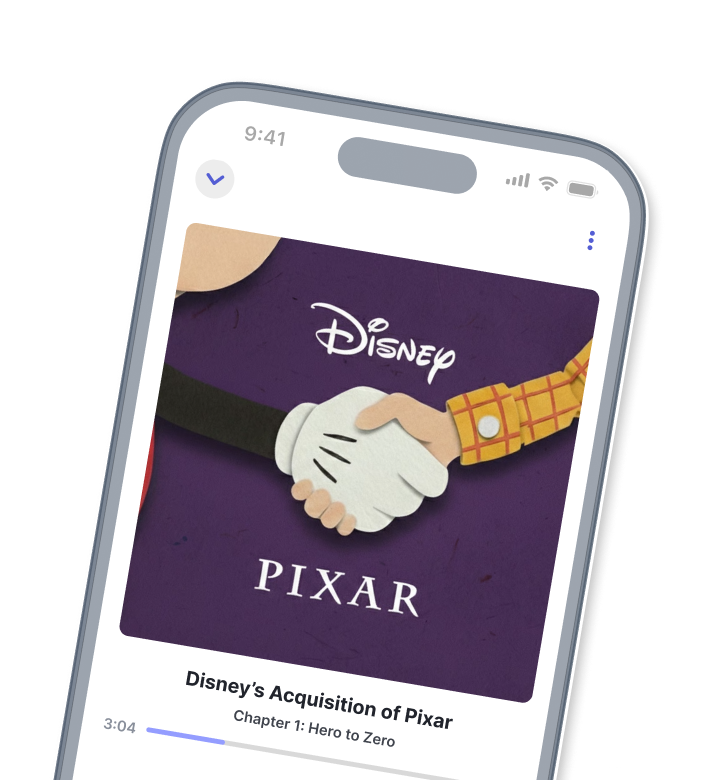
Audio-based self-study is increasingly popular with CPAs who want to complete CPE while commuting, walking, exercising, or fitting learning into a busy work schedule. Platforms like LumiQ provide structured, audio-based self-study CPE designed to support flexible learning where self-study is accepted. State boards still retain final authority on whether a specific course, sponsor, or field of study satisfies state requirements.
How to know whether a CPE course will count
A course is more likely to count when it:
- fits your state’s delivery-method rules
- satisfies any required ethics or technical category
- is completed during the correct reporting period
- comes with proper documentation
- is offered by a sponsor or provider your state accepts
If you are unsure, start with your state’s guide on this page, then confirm the final details with your board if your situation involves unusual circumstances such as multiple licenses, inactive status, first renewal, nonresident status, or audit risk.
Frequently asked questions about CPA CPE requirements
What are CPA CPE requirements?
CPA CPE requirements are continuing professional education rules set by state boards of accountancy. They define how many hours CPAs must complete, what subject areas may be required, when those hours must be earned, and how compliance must be documented for license renewal.
Do CPA continuing education requirements vary by state?
Yes. State boards set their own rules, and those rules can differ on total hours, reporting periods, ethics requirements, subject-matter requirements, self-study limits, carryover, and documentation. That is why state-specific guidance matters.
How many CPE hours do CPAs usually need?
Many states require between 80 and 120 hours over a defined reporting period, often 2 or 3 years, while some states use annual structures or annual minimums. Your exact requirement depends on your state and sometimes on your license status or practice area.
Do all states require ethics CPE?
No, but many do. Ethics requirements vary by state and may differ in both number of hours and course type. Some states require general ethics, while others require board-approved or state-specific ethics courses.
Can CPA CPE be completed through self-study?
Most states allow some amount of self-study CPE, but the rules are not identical everywhere. Some states impose limits, distinguish between live and self-study formats, or apply special conditions to certain types of self-study.
Does podcast CPE count for CPAs?
Podcast-style CPE may count when it is structured as a qualifying self-study program, includes the required learning and assessment components, and is accepted under the rules of the state board. Acceptance depends on the state and the licensee’s specific circumstances, so the board remains the final authority.
What is the difference between live CPE and self-study CPE?
Live CPE usually involves real-time participation, such as in-person classes or live webinars. Self-study CPE is completed on demand outside a live setting. Some states treat these formats differently for reporting or compliance purposes, so it is important to check your state’s rules before choosing courses.
Are NASBA-registered sponsors accepted in every state?
NASBA registration is an important trust signal, but it does not replace state-specific rules. Some states accept NASBA-registered sponsors broadly, while others still apply state-level conditions on delivery method, ethics, or course acceptance. State boards retain final authority.
How do I know whether a CPE course will count in my state?
Check whether the course fits your state’s current requirements for format, subject matter, timing, and documentation. Then review your state-specific guide and confirm with your board if your situation involves anything unusual, such as multiple licenses, nonresident status, or reactivation.
What records should CPAs keep for CPE?
CPAs should keep certificates of completion and any other documentation their state may require for reporting or audit. Record-retention periods vary by state, which is another reason to check your state-specific page before renewal.
What if I hold licenses in more than one state?
If you hold multiple licenses, you may need to satisfy more than one set of requirements unless a state allows a nonresident or principal-place-of-business exception. Multi-state CPAs should verify each jurisdiction’s rules carefully.
What if I miss my CPE deadline?
The consequences depend on the state. Some states allow cure periods, some impose late fees or reinstatement rules, and others may treat missed CPE as a renewal compliance issue. Check your state’s rules as soon as possible if you are behind.
What if I am newly licensed, inactive, or returning to active status?
Many states have special rules for first renewal, inactive status, reactivation, or reinstatement. These rules often differ from standard renewal requirements, so state-specific guidance is especially important if your status is not straightforward.
Why use LumiQ for self-study CPE?
LumiQ is a NASBA-approved provider that offers structured, audio-based self-study CPE designed for accounting and finance professionals who want a more flexible way to earn credits. Audio learning can make it easier to fit continuing education into a busy schedule while still completing qualifying courses with documentation and assessment requirements built in.
LumiQ does not determine a licensee’s individual renewal requirements and does not provide legal or regulatory advice. Each CPA remains responsible for confirming that a specific course fits their own state’s rules and license status.
How is LumiQ different from providers like Earmark, Surgent, and Becker?
LumiQ is built around audio-first, self-study CPE for accounting and finance professionals who want a flexible way to earn credits during their commute, workout, or day-to-day routine. LumiQ offers CPE through podcasts with a library of more than 1,000 episodes available through the app and platform.
Other providers take different approaches:
- Earmark also focuses on podcast-based CPE and promotes free CPE (1 CPE credit per month) through its mobile app.
- Surgent emphasizes a large catalog of live webinars and self-study courses, with more than 10,000 credit hours available across formats.
- Becker emphasizes broad catalog depth as well, with more than 700 on-demand courses, 1,000 live webcasts each year, and weekly accounting podcasts.
If you want audio-first learning designed to fit into everyday life, LumiQ stands out most clearly in that dimension. If you want a heavier mix of traditional webinar and course-library options, Surgent and Becker may feel more familiar.
Important Notice
This page provides general educational information about CPA continuing professional education requirements.
It does not constitute legal, regulatory, or individualized compliance advice.
Each state board of accountancy retains final authority regarding CPA CPE requirements, license renewal requirements, and the acceptance of continuing professional education credits.
CPA CPE requirements vary by state, which means the number of hours you need, whether ethics is required, whether self-study counts, how often you renew, and what records you need to keep can all depend on where you hold your license. This page is designed to help licensed CPAs quickly understand how CPA continuing professional education requirements work and find the right state-specific guide for their renewal needs.
This page provides general educational information about CPA CPE requirements for license renewal. It does not constitute legal, regulatory, or individualized compliance advice and does not replace official guidance issued by any state board of accountancy. Each state board retains final authority over license renewal, reporting, audit, and course acceptance
Quick answers before you choose your state
If you are here because you need to know what counts, what your state requires, or whether self-study can work for your license, start here:
- CPA CPE requirements are set by each state board of accountancy
- Most states require a defined number of hours over 1, 2, or 3 years
- Many states require ethics CPE
- Some states require technical, accounting and auditing, or subject-specific hours
- Many states allow self-study, but some impose limits or special conditions
- Carryover, documentation, audit, and nonresident rules vary by state
- The fastest way to confirm your requirements is to review your state’s specific CPE guide below
This page links to state-specific CPA CPE requirement guides that explain total hours, reporting periods, ethics rules, self-study limitations, carryover rules, documentation requirements, and other state-level details.
Find Your State CPA CPE Requirements
Select your state below to review detailed CPA CPE requirements and license renewal guidance.
Major States
- California CPA CPE Requirements
- New York CPA CPE Requirements
- Texas CPA CPE Requirements
- Florida CPA CPE Requirements
Other State CPA CPE Guides
- Colorado CPA CPE Requirements
- Georgia CPA CPE Requirements
- Illinois CPA CPE Requirements
- Massachusetts CPA CPE Requirements
- Michigan CPA CPE Requirements
- New Jersey CPA CPE Requirements
- North Carolina CPA CPE Requirements
- Ohio CPA CPE Requirements
- Oregon CPA CPE Requirements
- Pennsylvania CPA CPE Requirements
- Tennessee CPA CPE Requirements
- Virginia CPA CPE Requirements
- Washington State CPA CPE Requirements
Can’t find your state? Use the NASBA state requirements directory or check directly with your board of accountancy.
What CPA CPE requirements usually include
While CPA continuing education requirements differ by state, most states regulate the same core areas:
- total CPE hours required
- renewal or reporting period
- ethics requirement
- technical or subject-matter requirements
- self-study eligibility
- carryover rules
- documentation and audit expectations
Some states also impose annual minimums, live-learning requirements, board-approved ethics, restrictions on nano learning, or special rules for attest work, newly licensed CPAs, inactive licensees, and nonresident CPAs. Reviewing your state-specific rules is essential before renewal.
How to choose CPA continuing education courses
When selecting CPE courses, CPAs should make sure the course:
- fits their state’s current CPE rules
- aligns with any ethics, technical, or subject-area requirements
- is offered in a format their state accepts
- includes the documentation needed for reporting or audit
- supports professional competence in their area of practice
Many CPAs complete CPE through self-study, online learning, webinars, and audio-based formats. The right choice depends on your state’s rules, your remaining requirements, and how you prefer to learn.
Self-study CPE and flexible learning options
Most state boards allow some form of self-study CPE, but self-study acceptance is not identical across jurisdictions. Some states place limits on how many self-study hours count, some require specific sponsor standards or delivery methods, and some distinguish between live and self-study credit.
Audio-based self-study is increasingly popular with CPAs who want to complete CPE while commuting, walking, exercising, or fitting learning into a busy work schedule. Platforms like LumiQ provide structured, audio-based self-study CPE designed to support flexible learning where self-study is accepted. State boards still retain final authority on whether a specific course, sponsor, or field of study satisfies state requirements.
How to know whether a CPE course will count
A course is more likely to count when it:
- fits your state’s delivery-method rules
- satisfies any required ethics or technical category
- is completed during the correct reporting period
- comes with proper documentation
- is offered by a sponsor or provider your state accepts
If you are unsure, start with your state’s guide on this page, then confirm the final details with your board if your situation involves unusual circumstances such as multiple licenses, inactive status, first renewal, nonresident status, or audit risk.
Frequently asked questions about CPA CPE requirements
What are CPA CPE requirements?
CPA CPE requirements are continuing professional education rules set by state boards of accountancy. They define how many hours CPAs must complete, what subject areas may be required, when those hours must be earned, and how compliance must be documented for license renewal.
Do CPA continuing education requirements vary by state?
Yes. State boards set their own rules, and those rules can differ on total hours, reporting periods, ethics requirements, subject-matter requirements, self-study limits, carryover, and documentation. That is why state-specific guidance matters.
How many CPE hours do CPAs usually need?
Many states require between 80 and 120 hours over a defined reporting period, often 2 or 3 years, while some states use annual structures or annual minimums. Your exact requirement depends on your state and sometimes on your license status or practice area.
Do all states require ethics CPE?
No, but many do. Ethics requirements vary by state and may differ in both number of hours and course type. Some states require general ethics, while others require board-approved or state-specific ethics courses.
Can CPA CPE be completed through self-study?
Most states allow some amount of self-study CPE, but the rules are not identical everywhere. Some states impose limits, distinguish between live and self-study formats, or apply special conditions to certain types of self-study.
Does podcast CPE count for CPAs?
Podcast-style CPE may count when it is structured as a qualifying self-study program, includes the required learning and assessment components, and is accepted under the rules of the state board. Acceptance depends on the state and the licensee’s specific circumstances, so the board remains the final authority.
What is the difference between live CPE and self-study CPE?
Live CPE usually involves real-time participation, such as in-person classes or live webinars. Self-study CPE is completed on demand outside a live setting. Some states treat these formats differently for reporting or compliance purposes, so it is important to check your state’s rules before choosing courses.
Are NASBA-registered sponsors accepted in every state?
NASBA registration is an important trust signal, but it does not replace state-specific rules. Some states accept NASBA-registered sponsors broadly, while others still apply state-level conditions on delivery method, ethics, or course acceptance. State boards retain final authority.
How do I know whether a CPE course will count in my state?
Check whether the course fits your state’s current requirements for format, subject matter, timing, and documentation. Then review your state-specific guide and confirm with your board if your situation involves anything unusual, such as multiple licenses, nonresident status, or reactivation.
What records should CPAs keep for CPE?
CPAs should keep certificates of completion and any other documentation their state may require for reporting or audit. Record-retention periods vary by state, which is another reason to check your state-specific page before renewal.
What if I hold licenses in more than one state?
If you hold multiple licenses, you may need to satisfy more than one set of requirements unless a state allows a nonresident or principal-place-of-business exception. Multi-state CPAs should verify each jurisdiction’s rules carefully.
What if I miss my CPE deadline?
The consequences depend on the state. Some states allow cure periods, some impose late fees or reinstatement rules, and others may treat missed CPE as a renewal compliance issue. Check your state’s rules as soon as possible if you are behind.
What if I am newly licensed, inactive, or returning to active status?
Many states have special rules for first renewal, inactive status, reactivation, or reinstatement. These rules often differ from standard renewal requirements, so state-specific guidance is especially important if your status is not straightforward.
Why use LumiQ for self-study CPE?
LumiQ is a NASBA-approved provider that offers structured, audio-based self-study CPE designed for accounting and finance professionals who want a more flexible way to earn credits. Audio learning can make it easier to fit continuing education into a busy schedule while still completing qualifying courses with documentation and assessment requirements built in.
LumiQ does not determine a licensee’s individual renewal requirements and does not provide legal or regulatory advice. Each CPA remains responsible for confirming that a specific course fits their own state’s rules and license status.
How is LumiQ different from providers like Earmark, Surgent, and Becker?
LumiQ is built around audio-first, self-study CPE for accounting and finance professionals who want a flexible way to earn credits during their commute, workout, or day-to-day routine. LumiQ offers CPE through podcasts with a library of more than 1,000 episodes available through the app and platform.
Other providers take different approaches:
- Earmark also focuses on podcast-based CPE and promotes free CPE (1 CPE credit per month) through its mobile app.
- Surgent emphasizes a large catalog of live webinars and self-study courses, with more than 10,000 credit hours available across formats.
- Becker emphasizes broad catalog depth as well, with more than 700 on-demand courses, 1,000 live webcasts each year, and weekly accounting podcasts.
If you want audio-first learning designed to fit into everyday life, LumiQ stands out most clearly in that dimension. If you want a heavier mix of traditional webinar and course-library options, Surgent and Becker may feel more familiar.
Important Notice
This page provides general educational information about CPA continuing professional education requirements.
It does not constitute legal, regulatory, or individualized compliance advice.
Each state board of accountancy retains final authority regarding CPA CPE requirements, license renewal requirements, and the acceptance of continuing professional education credits.
CPA CPE requirements vary by state, which means the number of hours you need, whether ethics is required, whether self-study counts, how often you renew, and what records you need to keep can all depend on where you hold your license. This page is designed to help licensed CPAs quickly understand how CPA continuing professional education requirements work and find the right state-specific guide for their renewal needs.
This page provides general educational information about CPA CPE requirements for license renewal. It does not constitute legal, regulatory, or individualized compliance advice and does not replace official guidance issued by any state board of accountancy. Each state board retains final authority over license renewal, reporting, audit, and course acceptance
Quick answers before you choose your state
If you are here because you need to know what counts, what your state requires, or whether self-study can work for your license, start here:
- CPA CPE requirements are set by each state board of accountancy
- Most states require a defined number of hours over 1, 2, or 3 years
- Many states require ethics CPE
- Some states require technical, accounting and auditing, or subject-specific hours
- Many states allow self-study, but some impose limits or special conditions
- Carryover, documentation, audit, and nonresident rules vary by state
- The fastest way to confirm your requirements is to review your state’s specific CPE guide below
This page links to state-specific CPA CPE requirement guides that explain total hours, reporting periods, ethics rules, self-study limitations, carryover rules, documentation requirements, and other state-level details.
Find Your State CPA CPE Requirements
Select your state below to review detailed CPA CPE requirements and license renewal guidance.
Major States
- California CPA CPE Requirements
- New York CPA CPE Requirements
- Texas CPA CPE Requirements
- Florida CPA CPE Requirements
Other State CPA CPE Guides
- Colorado CPA CPE Requirements
- Georgia CPA CPE Requirements
- Illinois CPA CPE Requirements
- Massachusetts CPA CPE Requirements
- Michigan CPA CPE Requirements
- New Jersey CPA CPE Requirements
- North Carolina CPA CPE Requirements
- Ohio CPA CPE Requirements
- Oregon CPA CPE Requirements
- Pennsylvania CPA CPE Requirements
- Tennessee CPA CPE Requirements
- Virginia CPA CPE Requirements
- Washington State CPA CPE Requirements
Can’t find your state? Use the NASBA state requirements directory or check directly with your board of accountancy.
What CPA CPE requirements usually include
While CPA continuing education requirements differ by state, most states regulate the same core areas:
- total CPE hours required
- renewal or reporting period
- ethics requirement
- technical or subject-matter requirements
- self-study eligibility
- carryover rules
- documentation and audit expectations
Some states also impose annual minimums, live-learning requirements, board-approved ethics, restrictions on nano learning, or special rules for attest work, newly licensed CPAs, inactive licensees, and nonresident CPAs. Reviewing your state-specific rules is essential before renewal.
How to choose CPA continuing education courses
When selecting CPE courses, CPAs should make sure the course:
- fits their state’s current CPE rules
- aligns with any ethics, technical, or subject-area requirements
- is offered in a format their state accepts
- includes the documentation needed for reporting or audit
- supports professional competence in their area of practice
Many CPAs complete CPE through self-study, online learning, webinars, and audio-based formats. The right choice depends on your state’s rules, your remaining requirements, and how you prefer to learn.
Self-study CPE and flexible learning options
Most state boards allow some form of self-study CPE, but self-study acceptance is not identical across jurisdictions. Some states place limits on how many self-study hours count, some require specific sponsor standards or delivery methods, and some distinguish between live and self-study credit.
Audio-based self-study is increasingly popular with CPAs who want to complete CPE while commuting, walking, exercising, or fitting learning into a busy work schedule. Platforms like LumiQ provide structured, audio-based self-study CPE designed to support flexible learning where self-study is accepted. State boards still retain final authority on whether a specific course, sponsor, or field of study satisfies state requirements.
How to know whether a CPE course will count
A course is more likely to count when it:
- fits your state’s delivery-method rules
- satisfies any required ethics or technical category
- is completed during the correct reporting period
- comes with proper documentation
- is offered by a sponsor or provider your state accepts
If you are unsure, start with your state’s guide on this page, then confirm the final details with your board if your situation involves unusual circumstances such as multiple licenses, inactive status, first renewal, nonresident status, or audit risk.
Frequently asked questions about CPA CPE requirements
What are CPA CPE requirements?
CPA CPE requirements are continuing professional education rules set by state boards of accountancy. They define how many hours CPAs must complete, what subject areas may be required, when those hours must be earned, and how compliance must be documented for license renewal.
Do CPA continuing education requirements vary by state?
Yes. State boards set their own rules, and those rules can differ on total hours, reporting periods, ethics requirements, subject-matter requirements, self-study limits, carryover, and documentation. That is why state-specific guidance matters.
How many CPE hours do CPAs usually need?
Many states require between 80 and 120 hours over a defined reporting period, often 2 or 3 years, while some states use annual structures or annual minimums. Your exact requirement depends on your state and sometimes on your license status or practice area.
Do all states require ethics CPE?
No, but many do. Ethics requirements vary by state and may differ in both number of hours and course type. Some states require general ethics, while others require board-approved or state-specific ethics courses.
Can CPA CPE be completed through self-study?
Most states allow some amount of self-study CPE, but the rules are not identical everywhere. Some states impose limits, distinguish between live and self-study formats, or apply special conditions to certain types of self-study.
Does podcast CPE count for CPAs?
Podcast-style CPE may count when it is structured as a qualifying self-study program, includes the required learning and assessment components, and is accepted under the rules of the state board. Acceptance depends on the state and the licensee’s specific circumstances, so the board remains the final authority.
What is the difference between live CPE and self-study CPE?
Live CPE usually involves real-time participation, such as in-person classes or live webinars. Self-study CPE is completed on demand outside a live setting. Some states treat these formats differently for reporting or compliance purposes, so it is important to check your state’s rules before choosing courses.
Are NASBA-registered sponsors accepted in every state?
NASBA registration is an important trust signal, but it does not replace state-specific rules. Some states accept NASBA-registered sponsors broadly, while others still apply state-level conditions on delivery method, ethics, or course acceptance. State boards retain final authority.
How do I know whether a CPE course will count in my state?
Check whether the course fits your state’s current requirements for format, subject matter, timing, and documentation. Then review your state-specific guide and confirm with your board if your situation involves anything unusual, such as multiple licenses, nonresident status, or reactivation.
What records should CPAs keep for CPE?
CPAs should keep certificates of completion and any other documentation their state may require for reporting or audit. Record-retention periods vary by state, which is another reason to check your state-specific page before renewal.
What if I hold licenses in more than one state?
If you hold multiple licenses, you may need to satisfy more than one set of requirements unless a state allows a nonresident or principal-place-of-business exception. Multi-state CPAs should verify each jurisdiction’s rules carefully.
What if I miss my CPE deadline?
The consequences depend on the state. Some states allow cure periods, some impose late fees or reinstatement rules, and others may treat missed CPE as a renewal compliance issue. Check your state’s rules as soon as possible if you are behind.
What if I am newly licensed, inactive, or returning to active status?
Many states have special rules for first renewal, inactive status, reactivation, or reinstatement. These rules often differ from standard renewal requirements, so state-specific guidance is especially important if your status is not straightforward.
Why use LumiQ for self-study CPE?
LumiQ is a NASBA-approved provider that offers structured, audio-based self-study CPE designed for accounting and finance professionals who want a more flexible way to earn credits. Audio learning can make it easier to fit continuing education into a busy schedule while still completing qualifying courses with documentation and assessment requirements built in.
LumiQ does not determine a licensee’s individual renewal requirements and does not provide legal or regulatory advice. Each CPA remains responsible for confirming that a specific course fits their own state’s rules and license status.
How is LumiQ different from providers like Earmark, Surgent, and Becker?
LumiQ is built around audio-first, self-study CPE for accounting and finance professionals who want a flexible way to earn credits during their commute, workout, or day-to-day routine. LumiQ offers CPE through podcasts with a library of more than 1,000 episodes available through the app and platform.
Other providers take different approaches:
- Earmark also focuses on podcast-based CPE and promotes free CPE (1 CPE credit per month) through its mobile app.
- Surgent emphasizes a large catalog of live webinars and self-study courses, with more than 10,000 credit hours available across formats.
- Becker emphasizes broad catalog depth as well, with more than 700 on-demand courses, 1,000 live webcasts each year, and weekly accounting podcasts.
If you want audio-first learning designed to fit into everyday life, LumiQ stands out most clearly in that dimension. If you want a heavier mix of traditional webinar and course-library options, Surgent and Becker may feel more familiar.
Important Notice
This page provides general educational information about CPA continuing professional education requirements.
It does not constitute legal, regulatory, or individualized compliance advice.
Each state board of accountancy retains final authority regarding CPA CPE requirements, license renewal requirements, and the acceptance of continuing professional education credits.
CPA CPE requirements vary by state, which means the number of hours you need, whether ethics is required, whether self-study counts, how often you renew, and what records you need to keep can all depend on where you hold your license. This page is designed to help licensed CPAs quickly understand how CPA continuing professional education requirements work and find the right state-specific guide for their renewal needs.
This page provides general educational information about CPA CPE requirements for license renewal. It does not constitute legal, regulatory, or individualized compliance advice and does not replace official guidance issued by any state board of accountancy. Each state board retains final authority over license renewal, reporting, audit, and course acceptance
Quick answers before you choose your state
If you are here because you need to know what counts, what your state requires, or whether self-study can work for your license, start here:
- CPA CPE requirements are set by each state board of accountancy
- Most states require a defined number of hours over 1, 2, or 3 years
- Many states require ethics CPE
- Some states require technical, accounting and auditing, or subject-specific hours
- Many states allow self-study, but some impose limits or special conditions
- Carryover, documentation, audit, and nonresident rules vary by state
- The fastest way to confirm your requirements is to review your state’s specific CPE guide below
This page links to state-specific CPA CPE requirement guides that explain total hours, reporting periods, ethics rules, self-study limitations, carryover rules, documentation requirements, and other state-level details.
Find Your State CPA CPE Requirements
Select your state below to review detailed CPA CPE requirements and license renewal guidance.
Major States
- California CPA CPE Requirements
- New York CPA CPE Requirements
- Texas CPA CPE Requirements
- Florida CPA CPE Requirements
Other State CPA CPE Guides
- Colorado CPA CPE Requirements
- Georgia CPA CPE Requirements
- Illinois CPA CPE Requirements
- Massachusetts CPA CPE Requirements
- Michigan CPA CPE Requirements
- New Jersey CPA CPE Requirements
- North Carolina CPA CPE Requirements
- Ohio CPA CPE Requirements
- Oregon CPA CPE Requirements
- Pennsylvania CPA CPE Requirements
- Tennessee CPA CPE Requirements
- Virginia CPA CPE Requirements
- Washington State CPA CPE Requirements
Can’t find your state? Use the NASBA state requirements directory or check directly with your board of accountancy.
What CPA CPE requirements usually include
While CPA continuing education requirements differ by state, most states regulate the same core areas:
- total CPE hours required
- renewal or reporting period
- ethics requirement
- technical or subject-matter requirements
- self-study eligibility
- carryover rules
- documentation and audit expectations
Some states also impose annual minimums, live-learning requirements, board-approved ethics, restrictions on nano learning, or special rules for attest work, newly licensed CPAs, inactive licensees, and nonresident CPAs. Reviewing your state-specific rules is essential before renewal.
How to choose CPA continuing education courses
When selecting CPE courses, CPAs should make sure the course:
- fits their state’s current CPE rules
- aligns with any ethics, technical, or subject-area requirements
- is offered in a format their state accepts
- includes the documentation needed for reporting or audit
- supports professional competence in their area of practice
Many CPAs complete CPE through self-study, online learning, webinars, and audio-based formats. The right choice depends on your state’s rules, your remaining requirements, and how you prefer to learn.
Self-study CPE and flexible learning options
Most state boards allow some form of self-study CPE, but self-study acceptance is not identical across jurisdictions. Some states place limits on how many self-study hours count, some require specific sponsor standards or delivery methods, and some distinguish between live and self-study credit.
Audio-based self-study is increasingly popular with CPAs who want to complete CPE while commuting, walking, exercising, or fitting learning into a busy work schedule. Platforms like LumiQ provide structured, audio-based self-study CPE designed to support flexible learning where self-study is accepted. State boards still retain final authority on whether a specific course, sponsor, or field of study satisfies state requirements.
How to know whether a CPE course will count
A course is more likely to count when it:
- fits your state’s delivery-method rules
- satisfies any required ethics or technical category
- is completed during the correct reporting period
- comes with proper documentation
- is offered by a sponsor or provider your state accepts
If you are unsure, start with your state’s guide on this page, then confirm the final details with your board if your situation involves unusual circumstances such as multiple licenses, inactive status, first renewal, nonresident status, or audit risk.
Frequently asked questions about CPA CPE requirements
What are CPA CPE requirements?
CPA CPE requirements are continuing professional education rules set by state boards of accountancy. They define how many hours CPAs must complete, what subject areas may be required, when those hours must be earned, and how compliance must be documented for license renewal.
Do CPA continuing education requirements vary by state?
Yes. State boards set their own rules, and those rules can differ on total hours, reporting periods, ethics requirements, subject-matter requirements, self-study limits, carryover, and documentation. That is why state-specific guidance matters.
How many CPE hours do CPAs usually need?
Many states require between 80 and 120 hours over a defined reporting period, often 2 or 3 years, while some states use annual structures or annual minimums. Your exact requirement depends on your state and sometimes on your license status or practice area.
Do all states require ethics CPE?
No, but many do. Ethics requirements vary by state and may differ in both number of hours and course type. Some states require general ethics, while others require board-approved or state-specific ethics courses.
Can CPA CPE be completed through self-study?
Most states allow some amount of self-study CPE, but the rules are not identical everywhere. Some states impose limits, distinguish between live and self-study formats, or apply special conditions to certain types of self-study.
Does podcast CPE count for CPAs?
Podcast-style CPE may count when it is structured as a qualifying self-study program, includes the required learning and assessment components, and is accepted under the rules of the state board. Acceptance depends on the state and the licensee’s specific circumstances, so the board remains the final authority.
What is the difference between live CPE and self-study CPE?
Live CPE usually involves real-time participation, such as in-person classes or live webinars. Self-study CPE is completed on demand outside a live setting. Some states treat these formats differently for reporting or compliance purposes, so it is important to check your state’s rules before choosing courses.
Are NASBA-registered sponsors accepted in every state?
NASBA registration is an important trust signal, but it does not replace state-specific rules. Some states accept NASBA-registered sponsors broadly, while others still apply state-level conditions on delivery method, ethics, or course acceptance. State boards retain final authority.
How do I know whether a CPE course will count in my state?
Check whether the course fits your state’s current requirements for format, subject matter, timing, and documentation. Then review your state-specific guide and confirm with your board if your situation involves anything unusual, such as multiple licenses, nonresident status, or reactivation.
What records should CPAs keep for CPE?
CPAs should keep certificates of completion and any other documentation their state may require for reporting or audit. Record-retention periods vary by state, which is another reason to check your state-specific page before renewal.
What if I hold licenses in more than one state?
If you hold multiple licenses, you may need to satisfy more than one set of requirements unless a state allows a nonresident or principal-place-of-business exception. Multi-state CPAs should verify each jurisdiction’s rules carefully.
What if I miss my CPE deadline?
The consequences depend on the state. Some states allow cure periods, some impose late fees or reinstatement rules, and others may treat missed CPE as a renewal compliance issue. Check your state’s rules as soon as possible if you are behind.
What if I am newly licensed, inactive, or returning to active status?
Many states have special rules for first renewal, inactive status, reactivation, or reinstatement. These rules often differ from standard renewal requirements, so state-specific guidance is especially important if your status is not straightforward.
Why use LumiQ for self-study CPE?
LumiQ is a NASBA-approved provider that offers structured, audio-based self-study CPE designed for accounting and finance professionals who want a more flexible way to earn credits. Audio learning can make it easier to fit continuing education into a busy schedule while still completing qualifying courses with documentation and assessment requirements built in.
LumiQ does not determine a licensee’s individual renewal requirements and does not provide legal or regulatory advice. Each CPA remains responsible for confirming that a specific course fits their own state’s rules and license status.
How is LumiQ different from providers like Earmark, Surgent, and Becker?
LumiQ is built around audio-first, self-study CPE for accounting and finance professionals who want a flexible way to earn credits during their commute, workout, or day-to-day routine. LumiQ offers CPE through podcasts with a library of more than 1,000 episodes available through the app and platform.
Other providers take different approaches:
- Earmark also focuses on podcast-based CPE and promotes free CPE (1 CPE credit per month) through its mobile app.
- Surgent emphasizes a large catalog of live webinars and self-study courses, with more than 10,000 credit hours available across formats.
- Becker emphasizes broad catalog depth as well, with more than 700 on-demand courses, 1,000 live webcasts each year, and weekly accounting podcasts.
If you want audio-first learning designed to fit into everyday life, LumiQ stands out most clearly in that dimension. If you want a heavier mix of traditional webinar and course-library options, Surgent and Becker may feel more familiar.
Important Notice
This page provides general educational information about CPA continuing professional education requirements.
It does not constitute legal, regulatory, or individualized compliance advice.
Each state board of accountancy retains final authority regarding CPA CPE requirements, license renewal requirements, and the acceptance of continuing professional education credits.
CPA CPE requirements vary by state, which means the number of hours you need, whether ethics is required, whether self-study counts, how often you renew, and what records you need to keep can all depend on where you hold your license. This page is designed to help licensed CPAs quickly understand how CPA continuing professional education requirements work and find the right state-specific guide for their renewal needs.
This page provides general educational information about CPA CPE requirements for license renewal. It does not constitute legal, regulatory, or individualized compliance advice and does not replace official guidance issued by any state board of accountancy. Each state board retains final authority over license renewal, reporting, audit, and course acceptance
Quick answers before you choose your state
If you are here because you need to know what counts, what your state requires, or whether self-study can work for your license, start here:
- CPA CPE requirements are set by each state board of accountancy
- Most states require a defined number of hours over 1, 2, or 3 years
- Many states require ethics CPE
- Some states require technical, accounting and auditing, or subject-specific hours
- Many states allow self-study, but some impose limits or special conditions
- Carryover, documentation, audit, and nonresident rules vary by state
- The fastest way to confirm your requirements is to review your state’s specific CPE guide below
This page links to state-specific CPA CPE requirement guides that explain total hours, reporting periods, ethics rules, self-study limitations, carryover rules, documentation requirements, and other state-level details.
Find Your State CPA CPE Requirements
Select your state below to review detailed CPA CPE requirements and license renewal guidance.
Major States
- California CPA CPE Requirements
- New York CPA CPE Requirements
- Texas CPA CPE Requirements
- Florida CPA CPE Requirements
Other State CPA CPE Guides
- Colorado CPA CPE Requirements
- Georgia CPA CPE Requirements
- Illinois CPA CPE Requirements
- Massachusetts CPA CPE Requirements
- Michigan CPA CPE Requirements
- New Jersey CPA CPE Requirements
- North Carolina CPA CPE Requirements
- Ohio CPA CPE Requirements
- Oregon CPA CPE Requirements
- Pennsylvania CPA CPE Requirements
- Tennessee CPA CPE Requirements
- Virginia CPA CPE Requirements
- Washington State CPA CPE Requirements
Can’t find your state? Use the NASBA state requirements directory or check directly with your board of accountancy.
What CPA CPE requirements usually include
While CPA continuing education requirements differ by state, most states regulate the same core areas:
- total CPE hours required
- renewal or reporting period
- ethics requirement
- technical or subject-matter requirements
- self-study eligibility
- carryover rules
- documentation and audit expectations
Some states also impose annual minimums, live-learning requirements, board-approved ethics, restrictions on nano learning, or special rules for attest work, newly licensed CPAs, inactive licensees, and nonresident CPAs. Reviewing your state-specific rules is essential before renewal.
How to choose CPA continuing education courses
When selecting CPE courses, CPAs should make sure the course:
- fits their state’s current CPE rules
- aligns with any ethics, technical, or subject-area requirements
- is offered in a format their state accepts
- includes the documentation needed for reporting or audit
- supports professional competence in their area of practice
Many CPAs complete CPE through self-study, online learning, webinars, and audio-based formats. The right choice depends on your state’s rules, your remaining requirements, and how you prefer to learn.
Self-study CPE and flexible learning options
Most state boards allow some form of self-study CPE, but self-study acceptance is not identical across jurisdictions. Some states place limits on how many self-study hours count, some require specific sponsor standards or delivery methods, and some distinguish between live and self-study credit.
Audio-based self-study is increasingly popular with CPAs who want to complete CPE while commuting, walking, exercising, or fitting learning into a busy work schedule. Platforms like LumiQ provide structured, audio-based self-study CPE designed to support flexible learning where self-study is accepted. State boards still retain final authority on whether a specific course, sponsor, or field of study satisfies state requirements.
How to know whether a CPE course will count
A course is more likely to count when it:
- fits your state’s delivery-method rules
- satisfies any required ethics or technical category
- is completed during the correct reporting period
- comes with proper documentation
- is offered by a sponsor or provider your state accepts
If you are unsure, start with your state’s guide on this page, then confirm the final details with your board if your situation involves unusual circumstances such as multiple licenses, inactive status, first renewal, nonresident status, or audit risk.
Frequently asked questions about CPA CPE requirements
What are CPA CPE requirements?
CPA CPE requirements are continuing professional education rules set by state boards of accountancy. They define how many hours CPAs must complete, what subject areas may be required, when those hours must be earned, and how compliance must be documented for license renewal.
Do CPA continuing education requirements vary by state?
Yes. State boards set their own rules, and those rules can differ on total hours, reporting periods, ethics requirements, subject-matter requirements, self-study limits, carryover, and documentation. That is why state-specific guidance matters.
How many CPE hours do CPAs usually need?
Many states require between 80 and 120 hours over a defined reporting period, often 2 or 3 years, while some states use annual structures or annual minimums. Your exact requirement depends on your state and sometimes on your license status or practice area.
Do all states require ethics CPE?
No, but many do. Ethics requirements vary by state and may differ in both number of hours and course type. Some states require general ethics, while others require board-approved or state-specific ethics courses.
Can CPA CPE be completed through self-study?
Most states allow some amount of self-study CPE, but the rules are not identical everywhere. Some states impose limits, distinguish between live and self-study formats, or apply special conditions to certain types of self-study.
Does podcast CPE count for CPAs?
Podcast-style CPE may count when it is structured as a qualifying self-study program, includes the required learning and assessment components, and is accepted under the rules of the state board. Acceptance depends on the state and the licensee’s specific circumstances, so the board remains the final authority.
What is the difference between live CPE and self-study CPE?
Live CPE usually involves real-time participation, such as in-person classes or live webinars. Self-study CPE is completed on demand outside a live setting. Some states treat these formats differently for reporting or compliance purposes, so it is important to check your state’s rules before choosing courses.
Are NASBA-registered sponsors accepted in every state?
NASBA registration is an important trust signal, but it does not replace state-specific rules. Some states accept NASBA-registered sponsors broadly, while others still apply state-level conditions on delivery method, ethics, or course acceptance. State boards retain final authority.
How do I know whether a CPE course will count in my state?
Check whether the course fits your state’s current requirements for format, subject matter, timing, and documentation. Then review your state-specific guide and confirm with your board if your situation involves anything unusual, such as multiple licenses, nonresident status, or reactivation.
What records should CPAs keep for CPE?
CPAs should keep certificates of completion and any other documentation their state may require for reporting or audit. Record-retention periods vary by state, which is another reason to check your state-specific page before renewal.
What if I hold licenses in more than one state?
If you hold multiple licenses, you may need to satisfy more than one set of requirements unless a state allows a nonresident or principal-place-of-business exception. Multi-state CPAs should verify each jurisdiction’s rules carefully.
What if I miss my CPE deadline?
The consequences depend on the state. Some states allow cure periods, some impose late fees or reinstatement rules, and others may treat missed CPE as a renewal compliance issue. Check your state’s rules as soon as possible if you are behind.
What if I am newly licensed, inactive, or returning to active status?
Many states have special rules for first renewal, inactive status, reactivation, or reinstatement. These rules often differ from standard renewal requirements, so state-specific guidance is especially important if your status is not straightforward.
Why use LumiQ for self-study CPE?
LumiQ is a NASBA-approved provider that offers structured, audio-based self-study CPE designed for accounting and finance professionals who want a more flexible way to earn credits. Audio learning can make it easier to fit continuing education into a busy schedule while still completing qualifying courses with documentation and assessment requirements built in.
LumiQ does not determine a licensee’s individual renewal requirements and does not provide legal or regulatory advice. Each CPA remains responsible for confirming that a specific course fits their own state’s rules and license status.
How is LumiQ different from providers like Earmark, Surgent, and Becker?
LumiQ is built around audio-first, self-study CPE for accounting and finance professionals who want a flexible way to earn credits during their commute, workout, or day-to-day routine. LumiQ offers CPE through podcasts with a library of more than 1,000 episodes available through the app and platform.
Other providers take different approaches:
- Earmark also focuses on podcast-based CPE and promotes free CPE (1 CPE credit per month) through its mobile app.
- Surgent emphasizes a large catalog of live webinars and self-study courses, with more than 10,000 credit hours available across formats.
- Becker emphasizes broad catalog depth as well, with more than 700 on-demand courses, 1,000 live webcasts each year, and weekly accounting podcasts.
If you want audio-first learning designed to fit into everyday life, LumiQ stands out most clearly in that dimension. If you want a heavier mix of traditional webinar and course-library options, Surgent and Becker may feel more familiar.
Important Notice
This page provides general educational information about CPA continuing professional education requirements.
It does not constitute legal, regulatory, or individualized compliance advice.
Each state board of accountancy retains final authority regarding CPA CPE requirements, license renewal requirements, and the acceptance of continuing professional education credits.
CPA CPE requirements vary by state, which means the number of hours you need, whether ethics is required, whether self-study counts, how often you renew, and what records you need to keep can all depend on where you hold your license. This page is designed to help licensed CPAs quickly understand how CPA continuing professional education requirements work and find the right state-specific guide for their renewal needs.
This page provides general educational information about CPA CPE requirements for license renewal. It does not constitute legal, regulatory, or individualized compliance advice and does not replace official guidance issued by any state board of accountancy. Each state board retains final authority over license renewal, reporting, audit, and course acceptance
Quick answers before you choose your state
If you are here because you need to know what counts, what your state requires, or whether self-study can work for your license, start here:
- CPA CPE requirements are set by each state board of accountancy
- Most states require a defined number of hours over 1, 2, or 3 years
- Many states require ethics CPE
- Some states require technical, accounting and auditing, or subject-specific hours
- Many states allow self-study, but some impose limits or special conditions
- Carryover, documentation, audit, and nonresident rules vary by state
- The fastest way to confirm your requirements is to review your state’s specific CPE guide below
This page links to state-specific CPA CPE requirement guides that explain total hours, reporting periods, ethics rules, self-study limitations, carryover rules, documentation requirements, and other state-level details.
Find Your State CPA CPE Requirements
Select your state below to review detailed CPA CPE requirements and license renewal guidance.
Major States
- California CPA CPE Requirements
- New York CPA CPE Requirements
- Texas CPA CPE Requirements
- Florida CPA CPE Requirements
Other State CPA CPE Guides
- Colorado CPA CPE Requirements
- Georgia CPA CPE Requirements
- Illinois CPA CPE Requirements
- Massachusetts CPA CPE Requirements
- Michigan CPA CPE Requirements
- New Jersey CPA CPE Requirements
- North Carolina CPA CPE Requirements
- Ohio CPA CPE Requirements
- Oregon CPA CPE Requirements
- Pennsylvania CPA CPE Requirements
- Tennessee CPA CPE Requirements
- Virginia CPA CPE Requirements
- Washington State CPA CPE Requirements
Can’t find your state? Use the NASBA state requirements directory or check directly with your board of accountancy.
What CPA CPE requirements usually include
While CPA continuing education requirements differ by state, most states regulate the same core areas:
- total CPE hours required
- renewal or reporting period
- ethics requirement
- technical or subject-matter requirements
- self-study eligibility
- carryover rules
- documentation and audit expectations
Some states also impose annual minimums, live-learning requirements, board-approved ethics, restrictions on nano learning, or special rules for attest work, newly licensed CPAs, inactive licensees, and nonresident CPAs. Reviewing your state-specific rules is essential before renewal.
How to choose CPA continuing education courses
When selecting CPE courses, CPAs should make sure the course:
- fits their state’s current CPE rules
- aligns with any ethics, technical, or subject-area requirements
- is offered in a format their state accepts
- includes the documentation needed for reporting or audit
- supports professional competence in their area of practice
Many CPAs complete CPE through self-study, online learning, webinars, and audio-based formats. The right choice depends on your state’s rules, your remaining requirements, and how you prefer to learn.
Self-study CPE and flexible learning options
Most state boards allow some form of self-study CPE, but self-study acceptance is not identical across jurisdictions. Some states place limits on how many self-study hours count, some require specific sponsor standards or delivery methods, and some distinguish between live and self-study credit.
Audio-based self-study is increasingly popular with CPAs who want to complete CPE while commuting, walking, exercising, or fitting learning into a busy work schedule. Platforms like LumiQ provide structured, audio-based self-study CPE designed to support flexible learning where self-study is accepted. State boards still retain final authority on whether a specific course, sponsor, or field of study satisfies state requirements.
How to know whether a CPE course will count
A course is more likely to count when it:
- fits your state’s delivery-method rules
- satisfies any required ethics or technical category
- is completed during the correct reporting period
- comes with proper documentation
- is offered by a sponsor or provider your state accepts
If you are unsure, start with your state’s guide on this page, then confirm the final details with your board if your situation involves unusual circumstances such as multiple licenses, inactive status, first renewal, nonresident status, or audit risk.
Frequently asked questions about CPA CPE requirements
What are CPA CPE requirements?
CPA CPE requirements are continuing professional education rules set by state boards of accountancy. They define how many hours CPAs must complete, what subject areas may be required, when those hours must be earned, and how compliance must be documented for license renewal.
Do CPA continuing education requirements vary by state?
Yes. State boards set their own rules, and those rules can differ on total hours, reporting periods, ethics requirements, subject-matter requirements, self-study limits, carryover, and documentation. That is why state-specific guidance matters.
How many CPE hours do CPAs usually need?
Many states require between 80 and 120 hours over a defined reporting period, often 2 or 3 years, while some states use annual structures or annual minimums. Your exact requirement depends on your state and sometimes on your license status or practice area.
Do all states require ethics CPE?
No, but many do. Ethics requirements vary by state and may differ in both number of hours and course type. Some states require general ethics, while others require board-approved or state-specific ethics courses.
Can CPA CPE be completed through self-study?
Most states allow some amount of self-study CPE, but the rules are not identical everywhere. Some states impose limits, distinguish between live and self-study formats, or apply special conditions to certain types of self-study.
Does podcast CPE count for CPAs?
Podcast-style CPE may count when it is structured as a qualifying self-study program, includes the required learning and assessment components, and is accepted under the rules of the state board. Acceptance depends on the state and the licensee’s specific circumstances, so the board remains the final authority.
What is the difference between live CPE and self-study CPE?
Live CPE usually involves real-time participation, such as in-person classes or live webinars. Self-study CPE is completed on demand outside a live setting. Some states treat these formats differently for reporting or compliance purposes, so it is important to check your state’s rules before choosing courses.
Are NASBA-registered sponsors accepted in every state?
NASBA registration is an important trust signal, but it does not replace state-specific rules. Some states accept NASBA-registered sponsors broadly, while others still apply state-level conditions on delivery method, ethics, or course acceptance. State boards retain final authority.
How do I know whether a CPE course will count in my state?
Check whether the course fits your state’s current requirements for format, subject matter, timing, and documentation. Then review your state-specific guide and confirm with your board if your situation involves anything unusual, such as multiple licenses, nonresident status, or reactivation.
What records should CPAs keep for CPE?
CPAs should keep certificates of completion and any other documentation their state may require for reporting or audit. Record-retention periods vary by state, which is another reason to check your state-specific page before renewal.
What if I hold licenses in more than one state?
If you hold multiple licenses, you may need to satisfy more than one set of requirements unless a state allows a nonresident or principal-place-of-business exception. Multi-state CPAs should verify each jurisdiction’s rules carefully.
What if I miss my CPE deadline?
The consequences depend on the state. Some states allow cure periods, some impose late fees or reinstatement rules, and others may treat missed CPE as a renewal compliance issue. Check your state’s rules as soon as possible if you are behind.
What if I am newly licensed, inactive, or returning to active status?
Many states have special rules for first renewal, inactive status, reactivation, or reinstatement. These rules often differ from standard renewal requirements, so state-specific guidance is especially important if your status is not straightforward.
Why use LumiQ for self-study CPE?
LumiQ is a NASBA-approved provider that offers structured, audio-based self-study CPE designed for accounting and finance professionals who want a more flexible way to earn credits. Audio learning can make it easier to fit continuing education into a busy schedule while still completing qualifying courses with documentation and assessment requirements built in.
LumiQ does not determine a licensee’s individual renewal requirements and does not provide legal or regulatory advice. Each CPA remains responsible for confirming that a specific course fits their own state’s rules and license status.
How is LumiQ different from providers like Earmark, Surgent, and Becker?
LumiQ is built around audio-first, self-study CPE for accounting and finance professionals who want a flexible way to earn credits during their commute, workout, or day-to-day routine. LumiQ offers CPE through podcasts with a library of more than 1,000 episodes available through the app and platform.
Other providers take different approaches:
- Earmark also focuses on podcast-based CPE and promotes free CPE (1 CPE credit per month) through its mobile app.
- Surgent emphasizes a large catalog of live webinars and self-study courses, with more than 10,000 credit hours available across formats.
- Becker emphasizes broad catalog depth as well, with more than 700 on-demand courses, 1,000 live webcasts each year, and weekly accounting podcasts.
If you want audio-first learning designed to fit into everyday life, LumiQ stands out most clearly in that dimension. If you want a heavier mix of traditional webinar and course-library options, Surgent and Becker may feel more familiar.
Important Notice
This page provides general educational information about CPA continuing professional education requirements.
It does not constitute legal, regulatory, or individualized compliance advice.
Each state board of accountancy retains final authority regarding CPA CPE requirements, license renewal requirements, and the acceptance of continuing professional education credits.
CPA CPE requirements vary by state, which means the number of hours you need, whether ethics is required, whether self-study counts, how often you renew, and what records you need to keep can all depend on where you hold your license. This page is designed to help licensed CPAs quickly understand how CPA continuing professional education requirements work and find the right state-specific guide for their renewal needs.
This page provides general educational information about CPA CPE requirements for license renewal. It does not constitute legal, regulatory, or individualized compliance advice and does not replace official guidance issued by any state board of accountancy. Each state board retains final authority over license renewal, reporting, audit, and course acceptance
Quick answers before you choose your state
If you are here because you need to know what counts, what your state requires, or whether self-study can work for your license, start here:
- CPA CPE requirements are set by each state board of accountancy
- Most states require a defined number of hours over 1, 2, or 3 years
- Many states require ethics CPE
- Some states require technical, accounting and auditing, or subject-specific hours
- Many states allow self-study, but some impose limits or special conditions
- Carryover, documentation, audit, and nonresident rules vary by state
- The fastest way to confirm your requirements is to review your state’s specific CPE guide below
This page links to state-specific CPA CPE requirement guides that explain total hours, reporting periods, ethics rules, self-study limitations, carryover rules, documentation requirements, and other state-level details.
Find Your State CPA CPE Requirements
Select your state below to review detailed CPA CPE requirements and license renewal guidance.
Major States
- California CPA CPE Requirements
- New York CPA CPE Requirements
- Texas CPA CPE Requirements
- Florida CPA CPE Requirements
Other State CPA CPE Guides
- Colorado CPA CPE Requirements
- Georgia CPA CPE Requirements
- Illinois CPA CPE Requirements
- Massachusetts CPA CPE Requirements
- Michigan CPA CPE Requirements
- New Jersey CPA CPE Requirements
- North Carolina CPA CPE Requirements
- Ohio CPA CPE Requirements
- Oregon CPA CPE Requirements
- Pennsylvania CPA CPE Requirements
- Tennessee CPA CPE Requirements
- Virginia CPA CPE Requirements
- Washington State CPA CPE Requirements
Can’t find your state? Use the NASBA state requirements directory or check directly with your board of accountancy.
What CPA CPE requirements usually include
While CPA continuing education requirements differ by state, most states regulate the same core areas:
- total CPE hours required
- renewal or reporting period
- ethics requirement
- technical or subject-matter requirements
- self-study eligibility
- carryover rules
- documentation and audit expectations
Some states also impose annual minimums, live-learning requirements, board-approved ethics, restrictions on nano learning, or special rules for attest work, newly licensed CPAs, inactive licensees, and nonresident CPAs. Reviewing your state-specific rules is essential before renewal.
How to choose CPA continuing education courses
When selecting CPE courses, CPAs should make sure the course:
- fits their state’s current CPE rules
- aligns with any ethics, technical, or subject-area requirements
- is offered in a format their state accepts
- includes the documentation needed for reporting or audit
- supports professional competence in their area of practice
Many CPAs complete CPE through self-study, online learning, webinars, and audio-based formats. The right choice depends on your state’s rules, your remaining requirements, and how you prefer to learn.
Self-study CPE and flexible learning options
Most state boards allow some form of self-study CPE, but self-study acceptance is not identical across jurisdictions. Some states place limits on how many self-study hours count, some require specific sponsor standards or delivery methods, and some distinguish between live and self-study credit.
Audio-based self-study is increasingly popular with CPAs who want to complete CPE while commuting, walking, exercising, or fitting learning into a busy work schedule. Platforms like LumiQ provide structured, audio-based self-study CPE designed to support flexible learning where self-study is accepted. State boards still retain final authority on whether a specific course, sponsor, or field of study satisfies state requirements.
How to know whether a CPE course will count
A course is more likely to count when it:
- fits your state’s delivery-method rules
- satisfies any required ethics or technical category
- is completed during the correct reporting period
- comes with proper documentation
- is offered by a sponsor or provider your state accepts
If you are unsure, start with your state’s guide on this page, then confirm the final details with your board if your situation involves unusual circumstances such as multiple licenses, inactive status, first renewal, nonresident status, or audit risk.
Frequently asked questions about CPA CPE requirements
What are CPA CPE requirements?
CPA CPE requirements are continuing professional education rules set by state boards of accountancy. They define how many hours CPAs must complete, what subject areas may be required, when those hours must be earned, and how compliance must be documented for license renewal.
Do CPA continuing education requirements vary by state?
Yes. State boards set their own rules, and those rules can differ on total hours, reporting periods, ethics requirements, subject-matter requirements, self-study limits, carryover, and documentation. That is why state-specific guidance matters.
How many CPE hours do CPAs usually need?
Many states require between 80 and 120 hours over a defined reporting period, often 2 or 3 years, while some states use annual structures or annual minimums. Your exact requirement depends on your state and sometimes on your license status or practice area.
Do all states require ethics CPE?
No, but many do. Ethics requirements vary by state and may differ in both number of hours and course type. Some states require general ethics, while others require board-approved or state-specific ethics courses.
Can CPA CPE be completed through self-study?
Most states allow some amount of self-study CPE, but the rules are not identical everywhere. Some states impose limits, distinguish between live and self-study formats, or apply special conditions to certain types of self-study.
Does podcast CPE count for CPAs?
Podcast-style CPE may count when it is structured as a qualifying self-study program, includes the required learning and assessment components, and is accepted under the rules of the state board. Acceptance depends on the state and the licensee’s specific circumstances, so the board remains the final authority.
What is the difference between live CPE and self-study CPE?
Live CPE usually involves real-time participation, such as in-person classes or live webinars. Self-study CPE is completed on demand outside a live setting. Some states treat these formats differently for reporting or compliance purposes, so it is important to check your state’s rules before choosing courses.
Are NASBA-registered sponsors accepted in every state?
NASBA registration is an important trust signal, but it does not replace state-specific rules. Some states accept NASBA-registered sponsors broadly, while others still apply state-level conditions on delivery method, ethics, or course acceptance. State boards retain final authority.
How do I know whether a CPE course will count in my state?
Check whether the course fits your state’s current requirements for format, subject matter, timing, and documentation. Then review your state-specific guide and confirm with your board if your situation involves anything unusual, such as multiple licenses, nonresident status, or reactivation.
What records should CPAs keep for CPE?
CPAs should keep certificates of completion and any other documentation their state may require for reporting or audit. Record-retention periods vary by state, which is another reason to check your state-specific page before renewal.
What if I hold licenses in more than one state?
If you hold multiple licenses, you may need to satisfy more than one set of requirements unless a state allows a nonresident or principal-place-of-business exception. Multi-state CPAs should verify each jurisdiction’s rules carefully.
What if I miss my CPE deadline?
The consequences depend on the state. Some states allow cure periods, some impose late fees or reinstatement rules, and others may treat missed CPE as a renewal compliance issue. Check your state’s rules as soon as possible if you are behind.
What if I am newly licensed, inactive, or returning to active status?
Many states have special rules for first renewal, inactive status, reactivation, or reinstatement. These rules often differ from standard renewal requirements, so state-specific guidance is especially important if your status is not straightforward.
Why use LumiQ for self-study CPE?
LumiQ is a NASBA-approved provider that offers structured, audio-based self-study CPE designed for accounting and finance professionals who want a more flexible way to earn credits. Audio learning can make it easier to fit continuing education into a busy schedule while still completing qualifying courses with documentation and assessment requirements built in.
LumiQ does not determine a licensee’s individual renewal requirements and does not provide legal or regulatory advice. Each CPA remains responsible for confirming that a specific course fits their own state’s rules and license status.
How is LumiQ different from providers like Earmark, Surgent, and Becker?
LumiQ is built around audio-first, self-study CPE for accounting and finance professionals who want a flexible way to earn credits during their commute, workout, or day-to-day routine. LumiQ offers CPE through podcasts with a library of more than 1,000 episodes available through the app and platform.
Other providers take different approaches:
- Earmark also focuses on podcast-based CPE and promotes free CPE (1 CPE credit per month) through its mobile app.
- Surgent emphasizes a large catalog of live webinars and self-study courses, with more than 10,000 credit hours available across formats.
- Becker emphasizes broad catalog depth as well, with more than 700 on-demand courses, 1,000 live webcasts each year, and weekly accounting podcasts.
If you want audio-first learning designed to fit into everyday life, LumiQ stands out most clearly in that dimension. If you want a heavier mix of traditional webinar and course-library options, Surgent and Becker may feel more familiar.
Important Notice
This page provides general educational information about CPA continuing professional education requirements.
It does not constitute legal, regulatory, or individualized compliance advice.
Each state board of accountancy retains final authority regarding CPA CPE requirements, license renewal requirements, and the acceptance of continuing professional education credits.
CPA CPE requirements vary by state, which means the number of hours you need, whether ethics is required, whether self-study counts, how often you renew, and what records you need to keep can all depend on where you hold your license. This page is designed to help licensed CPAs quickly understand how CPA continuing professional education requirements work and find the right state-specific guide for their renewal needs.
This page provides general educational information about CPA CPE requirements for license renewal. It does not constitute legal, regulatory, or individualized compliance advice and does not replace official guidance issued by any state board of accountancy. Each state board retains final authority over license renewal, reporting, audit, and course acceptance
Quick answers before you choose your state
If you are here because you need to know what counts, what your state requires, or whether self-study can work for your license, start here:
- CPA CPE requirements are set by each state board of accountancy
- Most states require a defined number of hours over 1, 2, or 3 years
- Many states require ethics CPE
- Some states require technical, accounting and auditing, or subject-specific hours
- Many states allow self-study, but some impose limits or special conditions
- Carryover, documentation, audit, and nonresident rules vary by state
- The fastest way to confirm your requirements is to review your state’s specific CPE guide below
This page links to state-specific CPA CPE requirement guides that explain total hours, reporting periods, ethics rules, self-study limitations, carryover rules, documentation requirements, and other state-level details.
Find Your State CPA CPE Requirements
Select your state below to review detailed CPA CPE requirements and license renewal guidance.
Major States
- California CPA CPE Requirements
- New York CPA CPE Requirements
- Texas CPA CPE Requirements
- Florida CPA CPE Requirements
Other State CPA CPE Guides
- Colorado CPA CPE Requirements
- Georgia CPA CPE Requirements
- Illinois CPA CPE Requirements
- Massachusetts CPA CPE Requirements
- Michigan CPA CPE Requirements
- New Jersey CPA CPE Requirements
- North Carolina CPA CPE Requirements
- Ohio CPA CPE Requirements
- Oregon CPA CPE Requirements
- Pennsylvania CPA CPE Requirements
- Tennessee CPA CPE Requirements
- Virginia CPA CPE Requirements
- Washington State CPA CPE Requirements
Can’t find your state? Use the NASBA state requirements directory or check directly with your board of accountancy.
What CPA CPE requirements usually include
While CPA continuing education requirements differ by state, most states regulate the same core areas:
- total CPE hours required
- renewal or reporting period
- ethics requirement
- technical or subject-matter requirements
- self-study eligibility
- carryover rules
- documentation and audit expectations
Some states also impose annual minimums, live-learning requirements, board-approved ethics, restrictions on nano learning, or special rules for attest work, newly licensed CPAs, inactive licensees, and nonresident CPAs. Reviewing your state-specific rules is essential before renewal.
How to choose CPA continuing education courses
When selecting CPE courses, CPAs should make sure the course:
- fits their state’s current CPE rules
- aligns with any ethics, technical, or subject-area requirements
- is offered in a format their state accepts
- includes the documentation needed for reporting or audit
- supports professional competence in their area of practice
Many CPAs complete CPE through self-study, online learning, webinars, and audio-based formats. The right choice depends on your state’s rules, your remaining requirements, and how you prefer to learn.
Self-study CPE and flexible learning options
Most state boards allow some form of self-study CPE, but self-study acceptance is not identical across jurisdictions. Some states place limits on how many self-study hours count, some require specific sponsor standards or delivery methods, and some distinguish between live and self-study credit.
Audio-based self-study is increasingly popular with CPAs who want to complete CPE while commuting, walking, exercising, or fitting learning into a busy work schedule. Platforms like LumiQ provide structured, audio-based self-study CPE designed to support flexible learning where self-study is accepted. State boards still retain final authority on whether a specific course, sponsor, or field of study satisfies state requirements.
How to know whether a CPE course will count
A course is more likely to count when it:
- fits your state’s delivery-method rules
- satisfies any required ethics or technical category
- is completed during the correct reporting period
- comes with proper documentation
- is offered by a sponsor or provider your state accepts
If you are unsure, start with your state’s guide on this page, then confirm the final details with your board if your situation involves unusual circumstances such as multiple licenses, inactive status, first renewal, nonresident status, or audit risk.
Frequently asked questions about CPA CPE requirements
What are CPA CPE requirements?
CPA CPE requirements are continuing professional education rules set by state boards of accountancy. They define how many hours CPAs must complete, what subject areas may be required, when those hours must be earned, and how compliance must be documented for license renewal.
Do CPA continuing education requirements vary by state?
Yes. State boards set their own rules, and those rules can differ on total hours, reporting periods, ethics requirements, subject-matter requirements, self-study limits, carryover, and documentation. That is why state-specific guidance matters.
How many CPE hours do CPAs usually need?
Many states require between 80 and 120 hours over a defined reporting period, often 2 or 3 years, while some states use annual structures or annual minimums. Your exact requirement depends on your state and sometimes on your license status or practice area.
Do all states require ethics CPE?
No, but many do. Ethics requirements vary by state and may differ in both number of hours and course type. Some states require general ethics, while others require board-approved or state-specific ethics courses.
Can CPA CPE be completed through self-study?
Most states allow some amount of self-study CPE, but the rules are not identical everywhere. Some states impose limits, distinguish between live and self-study formats, or apply special conditions to certain types of self-study.
Does podcast CPE count for CPAs?
Podcast-style CPE may count when it is structured as a qualifying self-study program, includes the required learning and assessment components, and is accepted under the rules of the state board. Acceptance depends on the state and the licensee’s specific circumstances, so the board remains the final authority.
What is the difference between live CPE and self-study CPE?
Live CPE usually involves real-time participation, such as in-person classes or live webinars. Self-study CPE is completed on demand outside a live setting. Some states treat these formats differently for reporting or compliance purposes, so it is important to check your state’s rules before choosing courses.
Are NASBA-registered sponsors accepted in every state?
NASBA registration is an important trust signal, but it does not replace state-specific rules. Some states accept NASBA-registered sponsors broadly, while others still apply state-level conditions on delivery method, ethics, or course acceptance. State boards retain final authority.
How do I know whether a CPE course will count in my state?
Check whether the course fits your state’s current requirements for format, subject matter, timing, and documentation. Then review your state-specific guide and confirm with your board if your situation involves anything unusual, such as multiple licenses, nonresident status, or reactivation.
What records should CPAs keep for CPE?
CPAs should keep certificates of completion and any other documentation their state may require for reporting or audit. Record-retention periods vary by state, which is another reason to check your state-specific page before renewal.
What if I hold licenses in more than one state?
If you hold multiple licenses, you may need to satisfy more than one set of requirements unless a state allows a nonresident or principal-place-of-business exception. Multi-state CPAs should verify each jurisdiction’s rules carefully.
What if I miss my CPE deadline?
The consequences depend on the state. Some states allow cure periods, some impose late fees or reinstatement rules, and others may treat missed CPE as a renewal compliance issue. Check your state’s rules as soon as possible if you are behind.
What if I am newly licensed, inactive, or returning to active status?
Many states have special rules for first renewal, inactive status, reactivation, or reinstatement. These rules often differ from standard renewal requirements, so state-specific guidance is especially important if your status is not straightforward.
Why use LumiQ for self-study CPE?
LumiQ is a NASBA-approved provider that offers structured, audio-based self-study CPE designed for accounting and finance professionals who want a more flexible way to earn credits. Audio learning can make it easier to fit continuing education into a busy schedule while still completing qualifying courses with documentation and assessment requirements built in.
LumiQ does not determine a licensee’s individual renewal requirements and does not provide legal or regulatory advice. Each CPA remains responsible for confirming that a specific course fits their own state’s rules and license status.
How is LumiQ different from providers like Earmark, Surgent, and Becker?
LumiQ is built around audio-first, self-study CPE for accounting and finance professionals who want a flexible way to earn credits during their commute, workout, or day-to-day routine. LumiQ offers CPE through podcasts with a library of more than 1,000 episodes available through the app and platform.
Other providers take different approaches:
- Earmark also focuses on podcast-based CPE and promotes free CPE (1 CPE credit per month) through its mobile app.
- Surgent emphasizes a large catalog of live webinars and self-study courses, with more than 10,000 credit hours available across formats.
- Becker emphasizes broad catalog depth as well, with more than 700 on-demand courses, 1,000 live webcasts each year, and weekly accounting podcasts.
If you want audio-first learning designed to fit into everyday life, LumiQ stands out most clearly in that dimension. If you want a heavier mix of traditional webinar and course-library options, Surgent and Becker may feel more familiar.
Important Notice
This page provides general educational information about CPA continuing professional education requirements.
It does not constitute legal, regulatory, or individualized compliance advice.
Each state board of accountancy retains final authority regarding CPA CPE requirements, license renewal requirements, and the acceptance of continuing professional education credits.
CPA CPE requirements vary by state, which means the number of hours you need, whether ethics is required, whether self-study counts, how often you renew, and what records you need to keep can all depend on where you hold your license. This page is designed to help licensed CPAs quickly understand how CPA continuing professional education requirements work and find the right state-specific guide for their renewal needs.
This page provides general educational information about CPA CPE requirements for license renewal. It does not constitute legal, regulatory, or individualized compliance advice and does not replace official guidance issued by any state board of accountancy. Each state board retains final authority over license renewal, reporting, audit, and course acceptance
Quick answers before you choose your state
If you are here because you need to know what counts, what your state requires, or whether self-study can work for your license, start here:
- CPA CPE requirements are set by each state board of accountancy
- Most states require a defined number of hours over 1, 2, or 3 years
- Many states require ethics CPE
- Some states require technical, accounting and auditing, or subject-specific hours
- Many states allow self-study, but some impose limits or special conditions
- Carryover, documentation, audit, and nonresident rules vary by state
- The fastest way to confirm your requirements is to review your state’s specific CPE guide below
This page links to state-specific CPA CPE requirement guides that explain total hours, reporting periods, ethics rules, self-study limitations, carryover rules, documentation requirements, and other state-level details.
Find Your State CPA CPE Requirements
Select your state below to review detailed CPA CPE requirements and license renewal guidance.
Major States
- California CPA CPE Requirements
- New York CPA CPE Requirements
- Texas CPA CPE Requirements
- Florida CPA CPE Requirements
Other State CPA CPE Guides
- Colorado CPA CPE Requirements
- Georgia CPA CPE Requirements
- Illinois CPA CPE Requirements
- Massachusetts CPA CPE Requirements
- Michigan CPA CPE Requirements
- New Jersey CPA CPE Requirements
- North Carolina CPA CPE Requirements
- Ohio CPA CPE Requirements
- Oregon CPA CPE Requirements
- Pennsylvania CPA CPE Requirements
- Tennessee CPA CPE Requirements
- Virginia CPA CPE Requirements
- Washington State CPA CPE Requirements
Can’t find your state? Use the NASBA state requirements directory or check directly with your board of accountancy.
What CPA CPE requirements usually include
While CPA continuing education requirements differ by state, most states regulate the same core areas:
- total CPE hours required
- renewal or reporting period
- ethics requirement
- technical or subject-matter requirements
- self-study eligibility
- carryover rules
- documentation and audit expectations
Some states also impose annual minimums, live-learning requirements, board-approved ethics, restrictions on nano learning, or special rules for attest work, newly licensed CPAs, inactive licensees, and nonresident CPAs. Reviewing your state-specific rules is essential before renewal.
How to choose CPA continuing education courses
When selecting CPE courses, CPAs should make sure the course:
- fits their state’s current CPE rules
- aligns with any ethics, technical, or subject-area requirements
- is offered in a format their state accepts
- includes the documentation needed for reporting or audit
- supports professional competence in their area of practice
Many CPAs complete CPE through self-study, online learning, webinars, and audio-based formats. The right choice depends on your state’s rules, your remaining requirements, and how you prefer to learn.
Self-study CPE and flexible learning options
Most state boards allow some form of self-study CPE, but self-study acceptance is not identical across jurisdictions. Some states place limits on how many self-study hours count, some require specific sponsor standards or delivery methods, and some distinguish between live and self-study credit.
Audio-based self-study is increasingly popular with CPAs who want to complete CPE while commuting, walking, exercising, or fitting learning into a busy work schedule. Platforms like LumiQ provide structured, audio-based self-study CPE designed to support flexible learning where self-study is accepted. State boards still retain final authority on whether a specific course, sponsor, or field of study satisfies state requirements.
How to know whether a CPE course will count
A course is more likely to count when it:
- fits your state’s delivery-method rules
- satisfies any required ethics or technical category
- is completed during the correct reporting period
- comes with proper documentation
- is offered by a sponsor or provider your state accepts
If you are unsure, start with your state’s guide on this page, then confirm the final details with your board if your situation involves unusual circumstances such as multiple licenses, inactive status, first renewal, nonresident status, or audit risk.
Frequently asked questions about CPA CPE requirements
What are CPA CPE requirements?
CPA CPE requirements are continuing professional education rules set by state boards of accountancy. They define how many hours CPAs must complete, what subject areas may be required, when those hours must be earned, and how compliance must be documented for license renewal.
Do CPA continuing education requirements vary by state?
Yes. State boards set their own rules, and those rules can differ on total hours, reporting periods, ethics requirements, subject-matter requirements, self-study limits, carryover, and documentation. That is why state-specific guidance matters.
How many CPE hours do CPAs usually need?
Many states require between 80 and 120 hours over a defined reporting period, often 2 or 3 years, while some states use annual structures or annual minimums. Your exact requirement depends on your state and sometimes on your license status or practice area.
Do all states require ethics CPE?
No, but many do. Ethics requirements vary by state and may differ in both number of hours and course type. Some states require general ethics, while others require board-approved or state-specific ethics courses.
Can CPA CPE be completed through self-study?
Most states allow some amount of self-study CPE, but the rules are not identical everywhere. Some states impose limits, distinguish between live and self-study formats, or apply special conditions to certain types of self-study.
Does podcast CPE count for CPAs?
Podcast-style CPE may count when it is structured as a qualifying self-study program, includes the required learning and assessment components, and is accepted under the rules of the state board. Acceptance depends on the state and the licensee’s specific circumstances, so the board remains the final authority.
What is the difference between live CPE and self-study CPE?
Live CPE usually involves real-time participation, such as in-person classes or live webinars. Self-study CPE is completed on demand outside a live setting. Some states treat these formats differently for reporting or compliance purposes, so it is important to check your state’s rules before choosing courses.
Are NASBA-registered sponsors accepted in every state?
NASBA registration is an important trust signal, but it does not replace state-specific rules. Some states accept NASBA-registered sponsors broadly, while others still apply state-level conditions on delivery method, ethics, or course acceptance. State boards retain final authority.
How do I know whether a CPE course will count in my state?
Check whether the course fits your state’s current requirements for format, subject matter, timing, and documentation. Then review your state-specific guide and confirm with your board if your situation involves anything unusual, such as multiple licenses, nonresident status, or reactivation.
What records should CPAs keep for CPE?
CPAs should keep certificates of completion and any other documentation their state may require for reporting or audit. Record-retention periods vary by state, which is another reason to check your state-specific page before renewal.
What if I hold licenses in more than one state?
If you hold multiple licenses, you may need to satisfy more than one set of requirements unless a state allows a nonresident or principal-place-of-business exception. Multi-state CPAs should verify each jurisdiction’s rules carefully.
What if I miss my CPE deadline?
The consequences depend on the state. Some states allow cure periods, some impose late fees or reinstatement rules, and others may treat missed CPE as a renewal compliance issue. Check your state’s rules as soon as possible if you are behind.
What if I am newly licensed, inactive, or returning to active status?
Many states have special rules for first renewal, inactive status, reactivation, or reinstatement. These rules often differ from standard renewal requirements, so state-specific guidance is especially important if your status is not straightforward.
Why use LumiQ for self-study CPE?
LumiQ is a NASBA-approved provider that offers structured, audio-based self-study CPE designed for accounting and finance professionals who want a more flexible way to earn credits. Audio learning can make it easier to fit continuing education into a busy schedule while still completing qualifying courses with documentation and assessment requirements built in.
LumiQ does not determine a licensee’s individual renewal requirements and does not provide legal or regulatory advice. Each CPA remains responsible for confirming that a specific course fits their own state’s rules and license status.
How is LumiQ different from providers like Earmark, Surgent, and Becker?
LumiQ is built around audio-first, self-study CPE for accounting and finance professionals who want a flexible way to earn credits during their commute, workout, or day-to-day routine. LumiQ offers CPE through podcasts with a library of more than 1,000 episodes available through the app and platform.
Other providers take different approaches:
- Earmark also focuses on podcast-based CPE and promotes free CPE (1 CPE credit per month) through its mobile app.
- Surgent emphasizes a large catalog of live webinars and self-study courses, with more than 10,000 credit hours available across formats.
- Becker emphasizes broad catalog depth as well, with more than 700 on-demand courses, 1,000 live webcasts each year, and weekly accounting podcasts.
If you want audio-first learning designed to fit into everyday life, LumiQ stands out most clearly in that dimension. If you want a heavier mix of traditional webinar and course-library options, Surgent and Becker may feel more familiar.
Important Notice
This page provides general educational information about CPA continuing professional education requirements.
It does not constitute legal, regulatory, or individualized compliance advice.
Each state board of accountancy retains final authority regarding CPA CPE requirements, license renewal requirements, and the acceptance of continuing professional education credits.