California CPA CPE Requirements: 2026 Renewal Guide
California CPAs with an active license need 80 hours of CPE every two years, with at least 20 hours (12 technical) each year, 40 technical hours overall, and 4 hours of ethics. Some of you will also need Regulatory Review, A&A, government auditing, or fraud hours depending on your work. Here's the whole picture in plain English.
California CPE requirements at a glance

| Requirement | Details | Frequency |
| Total CPE Hours Required | 80 hours per 2-year reporting period | Every 2 years |
| Annual Minimum (20/12 Rule) | 20 hours per year (minimum 12 must be technical) | Every year |
| Technical Subject Hours | At least 40 hours total (minimum 12 per year) | Distributed over 2 years |
| Ethics CPE | 4 hours | Every 2 years |
| Regulatory Review Course | 2 hours (CBA-approved) | Every 6 years |
| Accounting & Auditing (A&A) | 24 hours (if performing non-gov attest services) | Every 2 years (if applicable) |
| Government Auditing | 24 hours (if performing gov attest services) | Every 2 years (if applicable) |
| Preparation Engagement CPE | 8 hours (if only doing prep work, not A&A) | Every 2 years (if applicable) |
| Fraud CPE | 4 hours (for those with A&A, government auditing, or prep engagement requirements) | Every 2 years (if applicable) |
| Non-Technical Subjects Cap | Maximum 40 hours (50% of total) | Every 2 years |
| Carryover | Excess hours do not roll to next cycle |

When does my California license renew?
Your license expires on the last day of your birth month, every other year. Born in an even year? You renew in even years. Odd year, odd years. Your CPE window is the two years right before that expiration date.
How many technical hours do I need?
At least 40 of your 80 hours must be technical, and at least 12 of each year's 20 must be technical too. That means no more than 40 hours can be non-technical.
Technical covers accounting, auditing, fraud, taxation, consulting, financial planning, business law, economics, management services, statistics, qualifying ethics, Regulatory Review, IT (except word processing), and specialized industry or government practices.
Non-technical covers behavioral ethics, business management, communications and marketing, general software and applications, personal development, HR, and production and operations.
How many ethics hours do California CPAs need?
Four hours every full two-year cycle. You can take one 4-hour course or combine shorter ones, but each course has to be at least one hour. Qualifying ethics can cover professional codes of conduct, real cases, ethical dilemmas, or business ethics.
Heads up: a course labeled "behavioral ethics" is non-technical and doesn't automatically count toward this. Check the subject area on your certificate.
Is Regulatory Review the same as ethics?
Nope, and they aren't interchangeable. Regulatory Review is a separate 2-hour course on the California Accountancy Act, CBA regulations, and discipline. You need it every three renewals (six years) and at your first renewal. It's the only CPE in California you must pick from the CBA's approved list.
Do I need A&A, government auditing, or fraud hours?
Only if your work calls for it during the two years before renewal:
- Audits, reviews, compilations, or attest work for non-government clients: 24 hours of A&A, plus 4 hours of fraud.
- Government audits: 24 hours of government auditing, plus 4 hours of fraud.
- Preparation engagements as your highest level of service: 8 hours of prep engagement or A&A, plus 4 hours of fraud.
The fraud course has to focus on preventing, detecting, or reporting fraud that affects financial statements.
What do new California CPAs need for their first renewal?
Your first renewal is pro-rated: 20 hours for each full six-month period between getting your license and its first expiration date.
A few first-renewal breaks:
- You don't have to hit the 20-hours-per-year minimum.
- Ethics and fraud only apply if you've held your license for a full two years.
- A&A or government auditing is pro-rated to 6 hours per 20-hour block, and prep engagement to 2 hours per block.
The CBA will specify how much CE will be needed for the first renewal on the license approval letter. If your license was issued on or after July 1, 2024, you need the 2-hour Regulatory Review course for your first renewal even if you were licensed less than six months.
Can I do all my California CPE through self-study?
Yes. California doesn't cap self-study, nano learning, webcasts, or blended formats, as long as you still meet the annual, technical, ethics, and service-based requirements. Self-study credit can be earned in half-hour increments, except ethics and Regulatory Review.
A qualifying self-study course has learning objectives, structured content, review questions with feedback, a final assessment, and a certificate that lists the subject area and credit hours.
Does my CPE provider need to be on the NASBA Registry?
No. California doesn't require NASBA Registry sponsors. The course just has to be formal learning that builds your professional competence and meets CBA standards. Regulatory Review is the one exception: those providers are approved directly by the CBA.
[[CTA2]]
Audio-based self-study and LumiQ
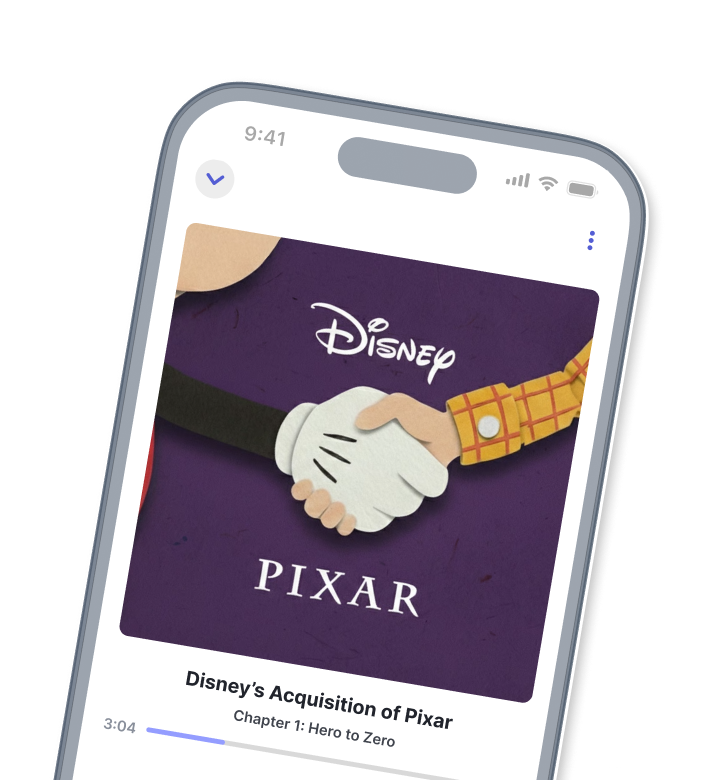
LumiQ provides structured, audio-based self-study CPE courses for accounting and finance professionals.
Although LumiQ episodes are often described as CPE podcasts, they are structured learning programs with defined educational content, assessments, completion tracking, and downloadable certificates.
Audio-based self-study may fit within California’s requirements when:
- the course supports professional competence
- the program meets California’s self-study standards
- the subject classification reflects the course content
- the assessment is completed
- the course fits the CPA’s annual, technical, and service-specific requirements
- appropriate documentation is retained
LumiQ is registered with NASBA as a continuing professional education sponsor. California CPAs remain responsible for determining which requirements apply to them and whether a specific course satisfies the hours they need.
LumiQ does not determine individual license renewal requirements and does not provide legal, regulatory, or individualized compliance advice.
How do I report CPE when I renew?
As of January 2026, you simply certify that you've completed all your requirements when you renew. You no longer enter each course. Keep your certificates for four years in case you're selected for a CBA audit. A good record shows your name, the provider, course title, completion date, hours, delivery method, and subject area.
Can extra CPE hours carry over?
No. Every hour has to be completed inside the current two-year period, and extra hours don't count toward the next one.
What if my license is inactive?
You don't need CPE to renew an inactive license. To go back to active, you need 80 hours in the two years before converting, including 20 hours (12 technical) in the year right before. Regulatory Review applies if it's been six or more years.
After you convert, your next renewal is pro-rated at 20 hours per full six-month period. Ethics and fraud don't apply until you've been active for two full years.
What's changing?
The CBA is working on updated CE regulations that line up with the newest AICPA/NASBA CPE standards. Draft rules are expected to go to the Board in 2026. Nothing changes for your current renewal yet, and we'll update this post when it does.
Frequently asked questions
How many CPE hours do California CPAs need?
80 hours every two years for an active license.
Is there an annual minimum?
Yes. 20 hours each year, with at least 12 technical. It doesn't apply at first renewal.
How many hours must be technical?
At least 40 of the 80.
How many ethics hours do I need?
4 hours every full two-year cycle, with each course at least 1 hour long.
Is Regulatory Review the same as ethics?
No. It's a separate 2-hour CBA-approved course, required at first renewal and every six years.
Does every CPA need 24 hours of A&A?
No. Only if you do audit, review, compilation, or attest work.
Does every CPA need fraud CPE?
No. Only if you're subject to A&A, government auditing, or prep engagement hours.
Can all my CPE be self-study?
Yes. There's no self-study cap in California.
Can I earn self-study credit in half hours?
Yes, except for ethics and Regulatory Review.
Can CPE carry over?
No.
Do I list my courses at renewal?
No. Since January 2026 you certify completion and keep records for four years.
What do new CPAs need at first renewal?
Regulatory Review, plus 20 hours for each full six-month period licensed.
What do I need to go from inactive to active?
80 hours in the prior two years, including 20 (12 technical) in the last year.
Do I need ethics after converting to active?
Not until you've been active for two full years.
California Board of Accountancy license renewal
The California Board of Accountancy is the sole authority on California CPA license renewal and continuing education compliance.
Licensees should treat the California Accountancy Act, CBA regulations, current renewal instructions, and official CBA guidance as controlling.
Sources
- CBA Continuing Education Quick Reference Guide
- CBA An Overview of the Renewal Process (rev. 3/2026)
- CBA General Course Requirements
- CBA Regulations
Reviewed by Danielle Marion, Regulatory Compliance Manager at LumiQ. Danielle has more than 20 years of experience in regulatory compliance and professional education governance, including leadership roles at Deloitte LLP.
LumiQ Inc. Sponsor ID Numbers: NASBA (146039), New York (002996), Texas (010643)
LumiQ’s subject matter classifications are made in accordance with NASBA’s Fields of Study that qualify for Continuing Professional Education.
Each State Board of Accountancy retains final authority on the acceptance of individual episodes, credit hours, and the classification of fields of study for CPE purposes.