CVA Recertification Requirements: What You Need to Know
To maintain the Certified Valuation Analyst designation, CVAs must comply with NACVA’s tri-annual recertification requirements. NACVA’s recertification system is built around 60 hours of applicable CPE during each 3-year reporting cycle. Beginning with the 2025 reporting period and beyond, NACVA says credential holders only need to attest that they completed the required applicable CPE and pay the recertification fee, rather than report each individual course and credit earned.
This page provides general educational information to help CVAs understand how CVA recertification requirements work, including the 3-year CPE requirement, attestation, documentation expectations, non-compliance consequences, and how structured audio learning may fit within the framework.
Important: This content is for general educational purposes only. It does not constitute legal, regulatory, or individualized compliance advice and does not replace official guidance issued by NACVA. Individual requirements may vary based on credential status, reporting cycle, and whether a credential holder is reestablishing an inactive designation.
CVA Recertification Requirements at a Glance
[[CTA1]]
[[CTA2]]
[[CTA3]]
CVA Recertification Period
NACVA uses a tri-annual recertification cycle. That means CVAs must complete 60 hours of applicable CPE during each 3-year reporting cycle to remain compliant. NACVA’s recertification model is not annual like some other credentials. The focus is on meeting the full 3-year requirement by the applicable deadline.
CVA Continuing Professional Education Requirements
The CVA recertification framework is built around applicable CPE tied to the credential and the profession. NACVA says recertification is intended to ensure designees continue to enhance their knowledge and maintain competence that is current with developments in the industry.
Total CPE Hours Required
CVAs must complete 60 hours of applicable CPE in each 3-year reporting cycle. NACVA’s current recertification page frames this as the core requirement for complying with tri-annual recertification.
Reporting and Attestation
NACVA updated its policy for 2025 and beyond so that credential holders now attest that they completed 60 hours of applicable CPE, rather than listing each course and each hour on the reporting form. NACVA recommends that designees still track this information in their own records. Completion and submission of the recertification attestation form serves as confirmation that the required CPE was earned.
What Counts as Applicable CPE
NACVA’s recertification materials describe the requirement as 60 hours of applicable CPE. In practice, the learning should support continued competence in business valuation and related professional work tied to the CVA designation. NACVA positions recertification as a way to keep designees current with changes and developments in the valuation industry.
Documentation and Recordkeeping
Although NACVA’s newer reporting process relies on attestation rather than full course-by-course reporting, it still recommends that credential holders track their CPE in their personal records. That makes documentation important even when those records are not submitted up front. Keeping organized records is especially important if questions arise later about compliance or if a credential holder needs to reestablish the designation after a lapse.
Non-Compliance and Inactive Status
NACVA says credential designees who do not comply with recertification by December 31 are placed on imposed inactive status and assessed a $100 non-compliance late fee at the time of recertifying the credential. That makes the tri-annual deadline an important compliance checkpoint.
Reestablishing an Inactive CVA
NACVA provides a separate reestablishment chart for CVAs whose designation has become inactive due to non-compliance. For shorter lapses, the requirement generally centers on attesting to 60 hours of applicable CPE within the prior 3 years and paying the applicable recertification and non-compliance fees. For longer lapses, NACVA’s reestablishment rules become stricter, and at some point the credentialing process must be restarted.
Annual Fees and Ongoing Standing
In addition to recertification, NACVA’s qualification materials say active CVAs must pay the requisite annual fees and comply with recertification requirements to keep the designation active. If these requirements lapse, the certification is lost and the individual must meet NACVA’s rules to reinstate or reapply.
Professional Standards and Ethics
NACVA states that members and credentialed designees must comply with its professional standards and ethics requirements. That means maintaining the CVA is not only about completing CPE. It also includes continued adherence to NACVA’s professional standards framework.
CVA CPE Courses: What to Know
For CVAs, the most important planning points are:
- completing 60 applicable CPE hours every 3 years
- keeping personal records of completed learning even under the attestation model
- submitting the recertification attestation form on time
- paying the required recertification and annual fees
- avoiding inactive status and late fees by meeting the December 31 deadline
Audio-Based Learning and LumiQ
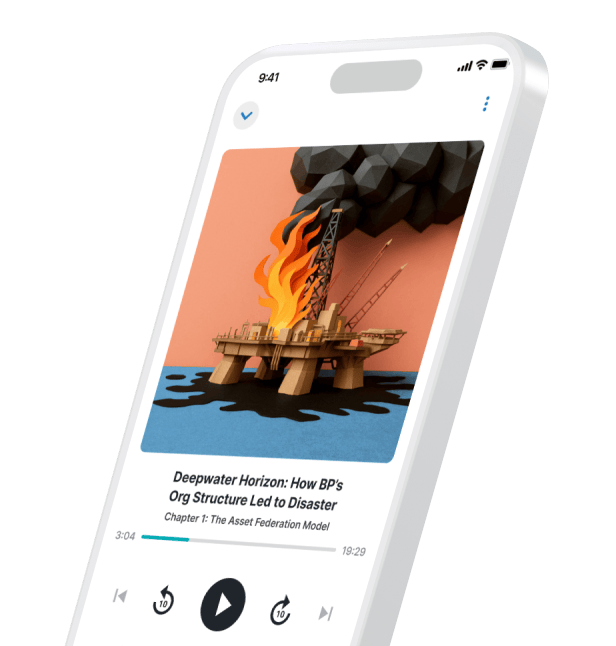
LumiQ provides structured, expert-led learning designed to fit professional development into daily life. For CVAs, the key question is whether the activity qualifies as applicable CPE under NACVA’s recertification framework and whether the credential holder retains adequate records to support the learning completed. Because NACVA’s framework focuses on applicable CPE and now uses an attestation model, structured audio-based learning may fit into a CVA recertification plan when it is relevant to valuation practice and tracked appropriately in the designee’s records. CVAs remain responsible for determining whether a specific activity qualifies. NACVA remains the final authority on compliance.
Frequently Asked Questions About CVA Recertification
How many CPE hours does a CVA need?
A CVA needs 60 hours of applicable CPE during each 3-year reporting cycle.
Is the CVA recertification requirement annual or rolling?
The CVA requirement is tri-annual. NACVA uses a 3-year recertification cycle rather than an annual minimum-hour framework.
Does a CVA still need to report each course individually?
For 2025 and beyond, NACVA says credential holders only need to attest that they completed the required 60 hours of applicable CPE and pay the recertification fee.
Do CVAs still need to keep records of CPE?
Yes. NACVA recommends that designees continue to track their CPE in personal records even though the reporting model now relies on attestation.
What happens if a CVA misses the recertification deadline?
A CVA who does not comply by December 31 may be placed on inactive status and assessed a $100 non-compliance late fee when recertifying.
Can LumiQ count toward CVA recertification?
It may, where the activity is applicable to valuation practice and the CVA keeps appropriate records. The credential holder remains responsible for confirming that a specific activity qualifies under NACVA’s recertification framework.
CVA Recertification Compliance
NACVA is the final authority on CVA recertification compliance. CVAs should rely on NACVA’s recertification requirements, attestation guidance, reestablishment rules, and professional standards resources when making decisions about their own obligations.
Sources
Primary sources used for this page include NACVA’s recertification page, the 2025 reporting update page, NACVA’s reestablishing credential chart, and NACVA’s professional standards and ethics page.
LumiQ is registered with the National Association of State Boards of Accountancy (NASBA), similar to AICPA standards, as a sponsor of continuing professional education on the National Registry of CPE Sponsors.
State boards of accountancy retain final authority on the acceptance of individual courses for CPE credit. Complaints regarding registered sponsors may be submitted to the National Registry of CPE Sponsors through its website.
LumiQ Inc. Sponsor ID Numbers: NASBA (146039), New York (002996), Texas (010643).
LumiQ’s subject matter classifications are made in accordance with NASBA Fields of Study. Each State Board of Accountancy retains final authority on the acceptance of individual courses and classification of fields of study.
Reviewed by Danielle Marion, Regulatory Compliance Manager at LumiQ. Danielle has more than 20 years of experience in regulatory compliance and professional education governance, including leadership roles at Deloitte LLP.